

Significant weight loss, particularly following the use of medications like GLP-1 agonists, is a major medical achievement. However, the resulting physical changes can be challenging, especially for the breasts. This often leads patients to seek breast reconstruction after weight loss medication complications. The rapid reduction in volume can cause severe ptosis (sagging), loss of shape, and excess skin that does not retract. Addressing these concerns is not merely cosmetic; it is a restorative procedure that rebuilds body contour and confidence after a transformative health journey. Med Assistance supports patients navigating this specific post-bariatric surgical need, connecting them with expert surgeons in Tunisia for high-quality, affordable care.
What is Post-Medication Breast Reconstruction?
Post-medication breast reconstruction is a specialized restorative surgery. It addresses the unique breast changes caused by rapid, substantial weight loss from drugs like GLP-1 agonists or other bariatric medications. This is not a single procedure but a tailored surgical plan. The goal is to reconstruct a natural, lifted breast mound that matches your new body proportions.
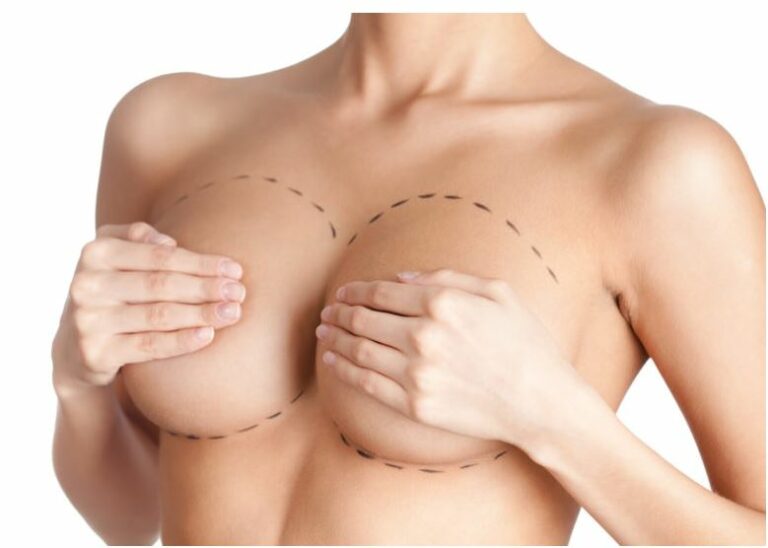
The process typically combines several techniques to achieve an optimal outcome. A breast lift after GLP-1 agonist use (mastopexy) is almost always a core component. This procedure removes excess, stretched skin and reshapes the remaining breast tissue. It repositions the nipple and areola to a more youthful height. The lift restores firmness and improves the breast’s contour on your chest wall.
Many patients also require volume restoration due to severe deflation. This is where breast augmentation after massive weight loss becomes relevant. Surgeons may use silicone or saline implants to add fullness and projection. In some cases, they can use your own body fat through fat grafting techniques. The choice depends on your existing tissue quality and desired volume.
Often, this reconstruction is coordinated with a panniculectomy after weight loss drugs or other body contouring surgeries. Combining procedures, like a breast lift with abdominal skin removal, provides comprehensive results. It maximizes safety and recovery efficiency. You can achieve a harmonious silhouette through careful, staged planning. For a broader understanding, explore our guide to breast reconstruction options and principles.
Ideal Candidates and Key Indications
You are likely an ideal candidate for this surgery if you have maintained a stable weight for at least 12 months. Weight stability is the most critical factor for lasting results. Your body mass index (BMI) should ideally be below 30 for optimal safety and healing. You must be in good general health without uncontrolled medical conditions. Non-smokers or those who can quit well before surgery are better candidates.
The key indication is significant breast ptosis and volume loss directly linked to medication-induced weight loss. You may experience physical discomfort like skin irritation or rashes under the breast fold. Difficulty finding bras or clothing that fit properly is another common indicator. Emotional distress about your breast appearance, despite your weight loss success, is a valid reason to consider reconstruction. The procedure aims to align your physical form with your new healthy lifestyle.
Specific surgical indications include severe grade III ptosis where the nipple falls below the breast fold. Significant asymmetry between the breasts after weight loss is another indication. A pronounced lack of upper pole fullness, making the breasts appear empty, is also addressed. The need for skin removal surgery after medication weight loss on the breasts is a primary driver. Candidates should have realistic expectations about scarring and the surgical process.
Choosing post-bariatric breast reconstruction Tunisia through Med Assistance offers a strategic pathway. It provides access to internationally accredited surgeons and modern facilities. The cost savings are substantial, typically 50-70% compared to prices in the UK or Canada. A comprehensive package including surgery, hospital stay, and aftercare can range from €3,500 to €6,500. This makes transformative, restorative care accessible without compromising on quality or safety standards.
How the Combined Procedure Works
The surgical plan for breast reconstruction after weight loss medication complications is highly personalized, often involving a combination of techniques to address both skin excess and volume loss. The procedure typically begins with a comprehensive mastopexy (breast lift). The surgeon makes precise incisions, often in an anchor or lollipop pattern, to remove the significant excess skin and reshape the remaining, often flattened, glandular tissue. The nipple-areola complex is repositioned to a more natural, elevated height.
If the patient desires more fullness than the lift alone can provide, breast augmentation after massive weight loss is integrated. Implants are carefully selected to match the patient’s new body frame and desired outcome, placed either under the chest muscle or behind the breast tissue. Alternatively, autologous fat grafting can be performed, where fat is liposuctioned from another area of the body, purified, and injected into the breasts. This combined approach of lift and augmentation is performed in a single surgical session. For comprehensive body contouring, this breast procedure is frequently combined with a panniculectomy after weight loss drugs, a surgery to remove the hanging apron of skin and fat from the lower abdomen. This combination, part of post-bariatric body contouring, addresses multiple concerns simultaneously for a harmonious result.
Results, Recovery, and Cost Advantages in Tunisia
The results of post-medication breast reconstruction are transformative, restoring a proportionate, lifted breast contour that aligns with your new physique. Initial swelling subsides over several weeks, with final shape and scar maturation evolving over 6 to 12 months. Scars, though permanent, are strategically placed and fade over time. Recovery typically involves 1-2 weeks of rest before returning to non-strenuous work, with a full return to all activities, including exercise, after 4-6 weeks. Wearing a supportive surgical bra is essential during the initial healing phase.
Choosing post-bariatric breast reconstruction Tunisia offers significant advantages, primarily making this restorative surgery accessible. The cost in Tunisia is often 40-60% lower than in Western Europe or North America, without compromising on quality. This package typically includes the surgery, hospital fees, implants, surgeon and anesthetist fees, and post-operative care. Med Assistance partners with carefully selected clinics and surgeons specialized in skin removal surgery after medication weight loss. We manage all logistics—from travel and accommodation to clinic transfers and interpreter services—allowing you to focus solely on your recovery and results in a dedicated medical tourism environment.
Frequently Asked Questions
How long after stopping weight loss medication should I wait for surgery?
It is crucial to wait until your weight has been completely stable for at least 6 to 12 months after stopping medication. This stability ensures that your body has adjusted to its new weight, leading to optimal, long-lasting surgical results and significantly reducing the risks of complications or revision surgery.
Can a breast lift and augmentation be done at the same time as a tummy tuck (panniculectomy)?
Yes, combining a breast procedure with a panniculectomy or tummy tuck is a common and efficient approach in post-bariatric body contouring. This combination, sometimes called an extended mommy makeover, allows for a single recovery period and provides harmonious, comprehensive results. Your eligibility for this combined surgery depends on your overall health and the surgeon’s assessment of the total operative time.
What are the main risks of breast reconstruction after massive weight loss?
As with any major surgery, general risks include infection, bleeding, adverse reaction to anesthesia, and scarring. Specific risks to this procedure include changes in nipple sensation, asymmetry, and potential issues with wound healing due to the altered quality of the skin and tissue after massive weight loss. Choosing an experienced, qualified plastic surgeon is the best way to minimize these risks.
Conclusion
Breast reconstruction following significant weight loss from medication is a profound step in reclaiming your body image and completing your health transformation. By combining a breast lift after GLP-1 agonist use with augmentation if needed, surgeons can restore shape, volume, and confidence. Med Assistance facilitates your access to this specialized care through renowned clinics in Tunisia, offering exceptional quality and significant cost savings. Let us guide you through this final, restorative phase of your journey.
Contact Med Assistance for a free personalized quote.