For men considering a transformative yet subtle enhancement of their facial profile, male rhinoplasty in Tunisia as a package present a compelling and sophisticated medical tourism solution. This specialized procedure, often called a nose job for men, goes beyond aesthetics to address functional concerns and harmonize facial features with masculine ideals. The growing demand reflects a desire for refined, natural-looking results that maintain strong, characteristic profiles. Choosing Tunisia for this surgery combines highly experienced surgical expertise with significant cost advantages, often saving patients significantly compared to prices in the UK or Canada, all within a streamlined, comprehensive care package managed by agencies like Med Assistance.
What is Male Rhinoplasty? Definition and Surgical Principles
Male rhinoplasty is a surgical procedure specifically tailored to reshape and refine the male nose. It addresses both cosmetic concerns and functional issues like a deviated septum. The goal is to achieve a balanced, masculine result that complements your other facial features. Surgeons focus on preserving or enhancing a strong nasal bridge and defined tip.
The surgical principles differ subtly from female rhinoplasty to respect gender-specific anatomy. Male skin is typically thicker and oilier, which influences healing and the final contour. Surgeons employ techniques to create straighter lines, reduce excessive width, or correct dorsal humps. The aim is a natural, undetectable enhancement that looks inherently masculine.
Procedures can be open or closed rhinoplasty, depending on your individual case. An open approach allows the surgeon greater visibility for complex restructuring. A closed technique involves incisions inside the nostrils, minimizing visible scarring. Your surgeon will recommend the best method during your consultation with Med Assistance’s partner clinics.
The surgery itself generally lasts between 1.5 to 3 hours under general anesthesia. Surgeons meticulously modify the underlying bone and cartilage. They then redrape the skin and soft tissue over the new framework. This precise work requires an expert understanding of male facial anatomy and aesthetic goals.
Functional improvements are often integrated seamlessly into the cosmetic plan. Correcting a deviated septum can dramatically improve breathing. This dual-purpose approach makes male nose surgery a highly valuable procedure. You can learn more about the general surgical journey on our dedicated rhinoplasty information page.
Ideal Candidates and Indications for Male Nose Surgery
Ideal candidates for male rhinoplasty are in good general health and have realistic expectations. They are non-smokers or willing to stop before and after surgery. A fully developed nasal structure, typically after age 18, is essential. Psychological readiness for the change and the recovery process is crucial for satisfaction.
Common cosmetic indications include a dorsal hump that creates a prominent profile. Many men seek to refine a bulbous or drooping nasal tip for a more defined look. Others wish to correct asymmetry or adjust the width of the nasal bridge. Trauma-induced deformities are also frequent reasons to pursue surgery.
Functional indications are equally important candidates for male nose surgery. A deviated septum can cause chronic breathing difficulties and sleep issues. Nasal valve collapse may also hinder proper airflow. Correcting these issues during rhinoplasty improves quality of life significantly.
The motivation should be personal desire for improvement, not external pressure. A good candidate has specific concerns about their nose’s appearance or function. During your consultation in Tunisia, the surgeon will assess your bone structure, skin type, and goals. This ensures the proposed plan aligns with achievable, masculine results.
Understanding the financial aspect is key. The rhinoplasty cost for men in Tunisia is a major advantage, with packages covering surgery, hospital, surgeon, anesthesia, and aftercare. These packages typically range from €2,200 to €2,600, representing significantly lower prices versus Western countries. Med Assistance coordinates every detail, from clinic transfers to accommodation, for a seamless experience.
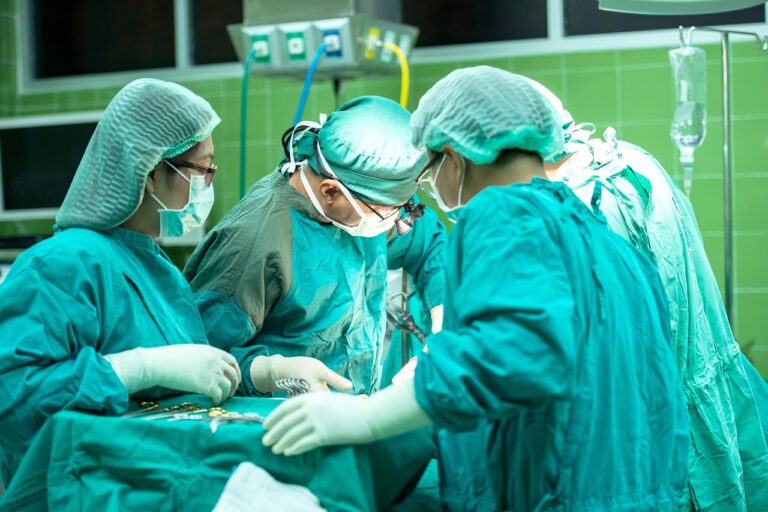
The surgery itself generally takes 1.5 to 3 hours and is performed under general anesthesia. The process begins with the surgeon making carefully planned incisions, either inside the nostrils (closed rhinoplasty) or across the columella (the strip of tissue between the nostrils) in an open rhinoplasty. The open technique provides unparalleled access for complex reshaping and is often preferred for male rhinoplasty to achieve precise modifications to the thicker nasal cartilage and skin.
Once the underlying structure is exposed, the surgeon meticulously sculpts the bone and cartilage. This can involve reducing a dorsal hump, narrowing wide nasal bones through osteotomy, refining a bulbous or drooping tip, or straightening a deviated septum to improve breathing. A core principle in male nose surgery is reinforcement and support; surgeons often use cartilage grafts, typically taken from the septum itself, to strengthen the nasal framework, prevent future collapse, and create a defined, projecting tip that embodies masculine aesthetics. The incisions are then closed with fine sutures, and a splint is applied externally to protect the new shape as it heals.
How Male Rhinoplasty Surgery Works: Techniques and Process
Understanding the surgical journey demystifies the procedure and sets clear expectations. The process for a male cosmetic nose reshaping in Tunisia is highly structured, ensuring safety and precision from consultation to final result.
Pre-Operative Phase: Upon arrival in Tunisia, your package includes a comprehensive final consultation with your qualified surgeon. Using advanced imaging technology, you will discuss your goals and preview potential outcomes. The surgeon will examine your nasal structure—assessing skin thickness, cartilage strength, and bone configuration—to finalize a customized surgical plan.
Surgical Techniques: The operation utilizes specialized techniques suited to male anatomy:
- Dorsal Hump Reduction: The bony and cartilaginous hump is carefully shaved down to create a straighter, strong profile line.
- Nasal Osteotomy: This controlled fracturing of the nasal bones allows them to be repositioned inward to narrow a wide nasal bridge.
- Tip Plasty: The tip cartilage is refined and supported with sutures or grafts to achieve definition without over-rotation, maintaining a masculine angle.
- Septoplasty: If a deviated septum is present, it is straightened concurrently to improve airflow, making the procedure both cosmetic and functional.
Immediate Post-Op: You will wake up with a nasal splint and possibly internal packing or soft silicone splints. The Med Assistance team ensures you are comfortable in your recovery suite, with all necessary medications and instructions provided.
Results, Recovery Timeline, and Package Prices in Tunisia
The appeal of a male rhinoplasty in Tunisia as a package lies in its combination of positive outcomes, a clear recovery path, and transparent, comprehensive pricing.
Recovery Timeline: The recovery after male rhinoplasty follows a predictable pattern. The first week involves rest, with bruising and swelling peaking around day 2-3 and subsiding significantly within 7-10 days. The external splint is usually removed after one week, revealing the initial new shape. Most men feel comfortable returning to non-strenuous work at this point. While 80% of swelling resolves in the first month, the final refinement—especially in the thicker male nasal skin—can take up to 12-18 months for the ultimate contour to settle. Strenuous activity and contact sports should be avoided for at least 6 weeks.
Package Price Advantage: The rhinoplasty cost for men in Tunisia is a primary motivator, offering significant savings compared to Western Europe or North America, while maintaining high standards. A package typically bundles:
- The surgical procedure with a specialist surgeon.
- Fees for the anesthetist and operating facility.
- All pre-operative medical tests and post-op medications.
- Private hospital stay and hotel accommodation.
- Airport transfers, and often a dedicated local assistant.
This model provides financial clarity and a seamless, stress-free experience, allowing you to focus entirely on your recovery and results.
Frequently Asked Questions
How long is the recovery after male rhinoplasty?
Initial recovery takes 7-10 days, with most men returning to office work after one week. Swelling and bruising reduce significantly within 2-3 weeks. However, due to thicker male skin, final subtle refinement and the settling of the nasal tip can take up to a year. Patience during this period is key to appreciating the final, sculpted result.
Will my nose look natural and masculine?
Absolutely. Expert surgeons in Tunisia specializing in male nose surgery prioritize masculine aesthetics. The goal is to preserve or create a strong nasal bridge, a defined (not upturned) tip, and straight profile lines that harmonize with your other facial features. The result is a natural, confident enhancement that looks inherently yours.
What does a package in Tunisia typically cover?
A comprehensive package covers the surgical procedure, surgeon and anesthetist fees, hospital stay, pre-operative tests, all necessary medications, airport transfers, hotel accommodation, and often the support of a local patient coordinator. This transparent, worry-free approach is designed to provide a smooth medical tourism journey from start to finish.
Conclusion
Choosing a male rhinoplasty in Tunisia as a package represents a strategic decision for achieving significant aesthetic and functional improvement with exceptional value. It merges specialized surgical skill in masculine nose reshaping with a streamlined, supportive recovery process in a premier medical tourism destination. The result is a refined, natural profile that boosts confidence, all within a framework of outstanding care and cost efficiency. To explore your personalized surgical plan and transparent pricing, discover our dedicated rhinoplasty program.
Contact Med Assistance for a free personalized quote.
Key Anatomical Differences in Male Rhinoplasty
Understanding the structural distinctions between male and female noses is crucial for achieving a natural, masculine result. Male nasal anatomy typically features a thicker, oilier skin envelope, a stronger and wider nasal bridge, a more acute nasolabial angle (90-95 degrees in men vs. 95-105 in women), and a less refined tip. Surgeons in Tunisia are highly experienced in preserving these masculine characteristics while correcting dorsal humps, bulbous tips, or asymmetry. The goal is not to feminize the nose but to enhance its harmony with the rest of the face, maintaining a strong profile that looks both natural and confident. For example, reducing a dorsal hump in men requires careful attention to avoid over-rotation of the tip, which could create a scooped, feminine appearance. This anatomical expertise is a hallmark of the top rhinoplasty surgeons in Tunisia, who regularly perform male nose jobs with a focus on functional and aesthetic balance.
Recovery Timeline and What Men Can Expect
Recovery after male rhinoplasty in Tunisia follows a predictable timeline, but men should be prepared for specific phases. The first 48 hours involve swelling and bruising around the eyes and nose, which peaks at day 2-3. Most patients wear a nasal splint for 7-10 days, and stitches (if any) are removed around day 7. By day 10, the majority of visible bruising fades, allowing a return to office work or minimal social activities. However, the final refinement of the nose takes longer: about 80% of swelling resolves within 3 months, but subtle changes continue for up to 12-18 months. Men with thicker skin may experience slower resolution of tip swelling. It is essential to avoid strenuous exercise, contact sports, and heavy lifting for at least 4-6 weeks to prevent bleeding or displacement of the nasal structures. Smoking significantly delays healing and increases the risk of complications, so a minimum 4-week cessation before and after surgery is strongly recommended. Packages in Tunisia typically include follow-up consultations and a local assistant to guide you through each recovery stage.
Cost Comparison: Tunisia vs. UK, US, and Canada
One of the most compelling reasons to choose Tunisia for male rhinoplasty is the dramatic cost savings without compromising quality. In the UK, a male rhinoplasty by a reputable surgeon starts at £6,000-£9,000, while in the US, prices range from $8,000 to $15,000 or more. In Canada, the average is CAD $7,000-$12,000. In Tunisia, a male rhinoplasty package—covering surgery, surgeon and anesthetist fees, hospital stay, airport transfers, hotel accommodation, and a local assistant (excluding flights, pre-operative tests and discharge medications)—typically starts from €2,200 (approximately £2,100-£3,200 or $2,700-$4,100 USD). This represents significant savings compared to Western countries. The lower cost is not due to inferior quality but to lower overheads, favorable exchange rates, and a streamlined medical tourism infrastructure. Many Tunisian surgeons have trained internationally and use the same advanced techniques (open rhinoplasty, ultrasonic bone reshaping) as their Western counterparts. Med Assistance ensures transparent pricing with no hidden fees, giving you a worry-free experience.
How to Choose the Right Surgeon in Tunisia
Selecting a qualified surgeon is the most critical decision in your male rhinoplasty journey. In Tunisia, look for surgeons who are experienced in plastic surgery or otorhinolaryngology (ENT) with specific fellowship training in rhinoplasty. Review their before-and-after photo galleries, focusing on male patients with similar nasal characteristics to yours. A reputable surgeon will offer a detailed consultation—either in person or via video call—where they assess your nasal anatomy, discuss your goals, and explain the surgical plan. Ask about their experience with male rhinoplasty, their revision rate, and their approach to preserving masculine features. Med Assistance partners exclusively with clinics that meet strict quality standards, including modern surgical facilities, accredited hospitals, and a track record of positive patient outcomes. We also facilitate direct communication with your surgeon before you travel, so you can build trust and clarify all your concerns. Remember, the cheapest option is not always the best; prioritize expertise and a proven portfolio of natural-looking results.
See also
FAQ
Will male rhinoplasty affect my breathing?
A well-performed male rhinoplasty can actually improve breathing if a deviated septum or nasal valve collapse is corrected during the same procedure (septorhinoplasty). Surgeons in Tunisia routinely combine functional and cosmetic goals to enhance both appearance and airflow. However, if the surgery is purely cosmetic and the internal structures are not compromised, breathing should remain unchanged. Always discuss any pre-existing breathing issues during your consultation so the surgeon can plan accordingly.
How long after male rhinoplasty can I exercise?
You should avoid all strenuous exercise, including weightlifting, running, and contact sports, for at least 4 to 6 weeks after surgery. Light walking is encouraged after the first week to promote circulation. Returning to intense activity too early can increase blood pressure, leading to bleeding, swelling, or displacement of the nasal bones. Your surgeon in Tunisia will give you personalized clearance based on your healing progress.
What is the difference between open and closed rhinoplasty for men?
In open rhinoplasty, a small incision is made across the columella (the skin strip between the nostrils), allowing the surgeon to lift the skin and have full visibility of the nasal structures. This is often preferred for complex male rhinoplasty cases, such as correcting a dorsal hump or refining a bulbous tip. Closed rhinoplasty involves incisions inside the nostrils, leaving no external scar. It is suitable for simpler adjustments. Your Tunisian surgeon will recommend the best approach based on your anatomy and goals.
Are the results of male rhinoplasty permanent?
Yes, the results of male rhinoplasty are permanent. Once the bone and cartilage are reshaped, they do not grow back. However, the final appearance evolves over 12-18 months as swelling subsides and tissues settle. Natural aging, trauma, or significant weight changes can alter the nose over decades, but the core surgical changes remain. Choosing an experienced surgeon in Tunisia ensures long-lasting, stable results that maintain their masculine character.
Can I combine male rhinoplasty with other procedures in Tunisia?
Absolutely. Many men choose to combine rhinoplasty with chin augmentation (genioplasty or implant) to achieve better facial balance, or with blepharoplasty (eyelid surgery) for a more refreshed appearance. Combining procedures can be cost-effective and reduces overall recovery time. Your package in Tunisia can be customized to include multiple surgeries, with coordinated care and accommodation. Med Assistance will help you plan a safe, combined treatment itinerary.
What should I pack for my male rhinoplasty trip to Tunisia?
Pack comfortable, button-down shirts (to avoid pulling over your head), loose-fitting pants, slip-on shoes, sunglasses (to hide bruising), lip balm (your mouth may be dry), and any regular medications. Avoid bringing valuables. Your package typically provides all post-surgical supplies (saline spray, gauze, etc.). Med Assistance will give you a detailed packing list before your departure to ensure you have everything you need for a smooth recovery.
How do I know if a Tunisian surgeon is qualified?
Look for surgeons who are qualified in plastic surgery or ENT by recognized international bodies (e.g., ISAPS, IMCAS, or the Tunisian Society of Plastic Surgery). Check their educational background, years of experience, and before-and-after photos of male patients. Med Assistance pre-screens all partner surgeons to ensure they meet high standards of training, ethics, and patient satisfaction. We also provide patient reviews and facilitate direct video consultations so you can assess the surgeon’s expertise firsthand.