A Guide to Understanding Radiotherapy Treatment and Its Steps
Radiotherapy consultation is aimed at patients requiring radiation treatment, whether for oncological or non-oncological conditions. This crucial step allows the radiation oncologist to assess the patient’s condition and prescribe the most suitable treatment for each case.
The Steps of Radiotherapy Treatment and Their Specifics
The primary goal of radiotherapy is to destroy cancer cells while preserving healthy tissue as much as possible. Treatments are often conducted daily, from Monday to Friday, over a period of six to seven weeks. Each session typically lasts about 20 minutes. Below is an overview of the essential steps in a radiotherapy treatment, along with information on potential side effects.
1. First Step of Radiotherapy: Medical Consultation
Once the need for radiotherapy is established, you will be referred to a radiation oncology specialist.
During this initial consultation, the doctor will examine your general health and medical history through a detailed assessment. If necessary, additional tests may be requested to refine the diagnosis. Once the results are obtained, the type and duration of the treatment will be determined.
2. Second Step: Treatment Planning
To ensure the treatment’s precision and minimize its impact on healthy cells, rigorous planning is essential. Using simulators or scanners, the doctor accurately defines the area to be treated.
Temporary marks, often made with red ink, may be applied to the skin to guide the sessions. These marks should not be removed before the treatment is completed.
3. Third Step: Dosimetry and Medical Physics
Once the treatment is planned, the information is passed on to the medical physics team. Their role is to precisely calculate the prescribed radiation dose to ensure a safe and effective treatment.
These professionals also ensure the proper functioning of radiotherapy equipment throughout the treatment.
4. Fourth Step: Radiotherapy Sessions
Before beginning the sessions, you will receive detailed information about:
- The date and time of the radiotherapy sessions;
- The location and name of the equipment used;
- The doctor responsible for your care.
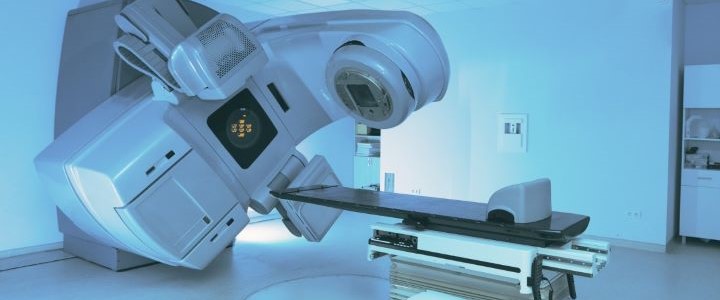
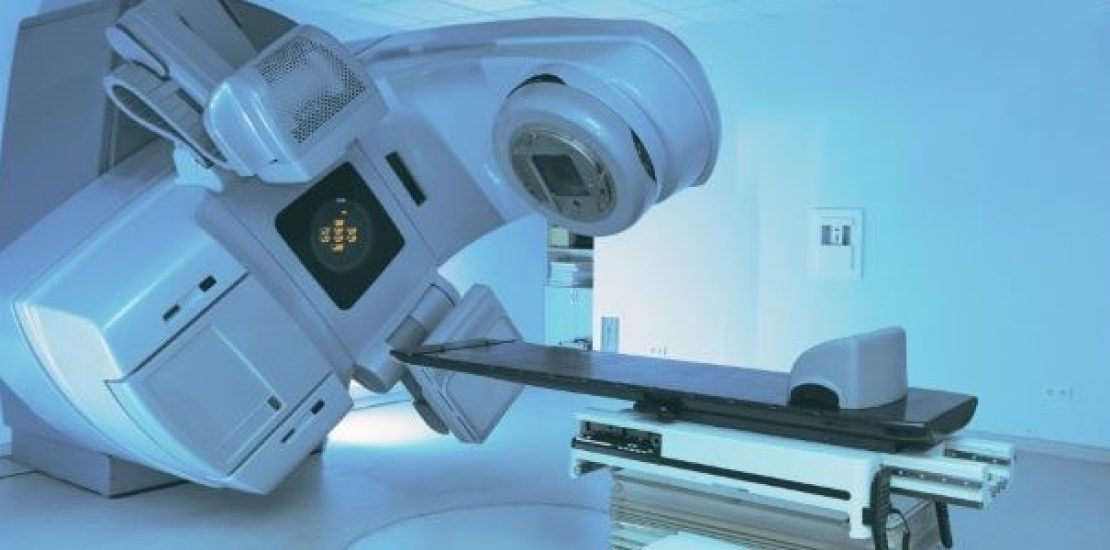
During each session, you will be positioned on a treatment table, and radiation will be applied to the marked area. While you will be alone in the room, the medical staff will monitor the entire process from an adjacent room using cameras and monitors.
To ensure the treatment’s effectiveness, it is crucial to remain still during the procedure and attend all scheduled sessions.
Start Your Radiotherapy Treatment Without Delay: A Fast Alternative in Tunisia
In some countries, obtaining an appointment for radiotherapy can be a lengthy process. Waiting times, sometimes exceeding three weeks, can cause additional anxiety for patients, especially when time is a critical factor. If you find yourself in this situation and wish to start your treatment immediately, Tunisia offers a fast and effective solution.
Why Delays Can Be Problematic
Radiotherapy plays a key role in treating many cancers, and starting treatment quickly can make a significant difference in the disease’s progression. However, in some countries, medical infrastructure is often overwhelmed, making immediate care unavailable. Faced with these delays, many patients turn to international options for timely care.
Tunisia, with its modern radiotherapy centers and experienced professionals, stands out as an ideal alternative for those looking to begin treatment quickly and with peace of mind.
Immediate Radiotherapy Treatment Upon Arrival
One of the main advantages of choosing Tunisia is the ability to start radiotherapy immediately, without the long waiting periods experienced elsewhere. Thanks to state-of-the-art medical infrastructure, specialized centers in Tunisia provide high-quality care that meets international standards.
Upon arrival, everything is arranged to welcome you in the best possible conditions. A qualified medical team will take the time to discuss your case and guide you through each step. This allows you to begin sessions quickly, often within days of your arrival.
A Flexible and Tailored Solution
What sets this approach apart is its flexibility. Starting your treatment in Tunisia doesn’t mean you’re required to complete all your care abroad. You can begin your radiotherapy immediately and, when your appointment in your home country becomes available, resume follow-up there.
This solution alleviates the stress of waiting while ensuring continuity of care. Additionally, communication between Tunisian and local medical teams is facilitated, ensuring seamless information transfer for follow-up care.
Benefits of Choosing Tunisia for Radiotherapy
Beyond prompt care, Tunisia offers several advantages:
- Modern Equipment: Centers are equipped with the latest radiotherapy technologies.
- Experienced Medical Teams: Tunisian specialists adhere to international standards and provide patient-centered care.
- Affordable Costs: Treatments in Tunisia are often more cost-effective than in many countries without compromising quality.
- Simplified Logistics: Geographic proximity and regular flights make travel planning quick and easy.
How to Organize Your Radiotherapy Treatment
If you wish to avoid unnecessary delays and start your treatment promptly, the process is simple. Contact us to arrange your care. We will assist you with all the steps:
- Organizing travel and accommodation;
- Scheduling your medical appointments;
- Providing support throughout your stay.
Don’t let waiting times hinder your treatment journey. By choosing Tunisia, you can begin your radiotherapy promptly in a safe and professional environment.For more information or to book an appointment, contact us via WhatsApp at +21658514456 or call +33 (0)1 87 64 13 99. Your health should never wait.
Why International Patients Choose Tunisia for Radiotherapy: Key Advantages
For patients considering medical travel for radiation oncology, Tunisia offers a compelling combination of advanced technology, experienced specialists, and significant cost savings. The country’s private radiotherapy centers are equipped with state-of-the-art linear accelerators, including TrueBeam and Varian systems, ensuring precise treatment delivery with minimal side effects. Unlike many public healthcare systems where waiting times can exceed 4–6 weeks, Tunisian centers can schedule your first consultation within 48 hours of arrival and begin treatment within 3–5 days. This rapid access is critical for cancers where time is a factor, such as lung, breast, or head and neck cancers. Additionally, the cost of a full course of radiotherapy in Tunisia is typically 50–70% lower than in the UK, USA, or Australia. For example, 25 sessions of IMRT (Intensity-Modulated Radiotherapy) range from €3,500 to €5,500, compared to €15,000–€25,000 in Western Europe. This affordability does not compromise quality—Tunisian radiation oncologists are often trained in France, Germany, or the USA, and many hold international certifications.
Understanding the Full Cost of Radiotherapy in Tunisia (2026)
Transparency in pricing is essential for medical travelers. Below is an indicative cost breakdown for common radiotherapy treatments in Tunisia. Prices include consultation, planning (CT simulation and dosimetry), and all sessions unless stated otherwise. Note that these are estimates and may vary based on the complexity of your case and the chosen center.
- 3D Conformal Radiotherapy (3D-CRT): €2,500–€4,000 for 20–30 sessions
- Intensity-Modulated Radiotherapy (IMRT): €3,500–€5,500 for 25–35 sessions
- Image-Guided Radiotherapy (IGRT): €4,000–€6,000 for 25–35 sessions
- Stereotactic Radiosurgery (SRS) / Stereotactic Body Radiotherapy (SBRT): €3,000–€5,000 per session (1–5 sessions total)
- Brachytherapy (high-dose rate): €2,000–€4,000 per session (typically 1–3 sessions)
Most packages include a pre-treatment medical consultation, CT simulation, treatment planning, and all radiotherapy sessions. Additional costs may include accommodation (€30–€80 per night for a studio or hotel near the clinic), airport transfers (€40–€60 one way), and interpreter services if needed (often provided free by the clinic). Many centers offer all-inclusive packages covering airport pickup, accommodation, and treatment coordination.
How to Prepare for Your Radiotherapy Trip to Tunisia
Proper planning ensures a smooth experience. Here is a step-by-step guide for international patients:
- Medical Records Transfer: Send your latest imaging (CT, MRI, PET scans), pathology reports, and referral letter from your oncologist to the Tunisian center. Most clinics accept digital files via email or secure portal.
- Virtual Consultation: Schedule a free video call with the radiation oncologist to discuss your case, treatment plan, and expected outcomes. This helps build trust and clarifies any doubts before travel.
- Visa and Travel: Citizens of the UK, USA, Canada, Australia, and most European countries can enter Tunisia visa-free for stays up to 90 days. Ensure your passport is valid for at least 3 months beyond your intended stay.
- Accommodation: Book a hotel or serviced apartment near the clinic. Many centers have partnerships with nearby hotels offering discounted rates for patients. A typical radiotherapy course lasts 4–7 weeks, so consider a furnished apartment with kitchen facilities for longer stays.
- Local Support: Most Tunisian radiotherapy centers assign a patient coordinator who speaks English, French, or Arabic. They assist with appointments, transportation, and any concerns during your stay.
Patient Testimonials: Real Experiences with Radiotherapy in Tunisia
Hearing from others who have undergone treatment can be reassuring. Here are anonymized testimonials from patients who chose Tunisia for radiotherapy:
“I was diagnosed with breast cancer and faced a 6-week wait for radiotherapy in the UK. Through Med Assistance, I was in Tunisia within a week. The team at the clinic was incredibly professional, and the TrueBeam machine made my sessions quick and painless. I paid €4,200 for 25 sessions—less than a third of what I would have paid privately at home.” — Sarah, 52, UK
“My father needed SBRT for early-stage lung cancer. The Tunisian oncologist explained everything clearly during a video call. We traveled from Australia, and within 3 days of arrival, he had his first session. The total cost including flights and accommodation was still half of what we were quoted locally. Highly recommend.” — James, 45, Australia
Aussi a voir
- Compare radiotherapy costs in Tunisia
- Top radiation oncologists in Tunisia
- Plan your medical trip to Tunisia
FAQ
How long does a full course of radiotherapy take in Tunisia?
A standard course of radiotherapy in Tunisia typically lasts 4 to 7 weeks, with sessions scheduled Monday through Friday. Each session lasts about 20–30 minutes. For stereotactic treatments (SRS/SBRT), only 1 to 5 sessions are needed, completed within a week. Your radiation oncologist will provide a personalized schedule after the initial consultation and treatment planning.
Is radiotherapy in Tunisia safe for international patients?
Yes, Tunisian radiotherapy centers adhere to international safety standards set by organizations like the IAEA (International Atomic Energy Agency). Equipment is regularly calibrated and maintained, and medical physicists oversee dose calculations. Many centers hold ISO certifications and follow protocols similar to those in Europe and North America. Additionally, the medical staff includes English-speaking professionals who ensure clear communication throughout your treatment.
What is the success rate of radiotherapy for common cancers in Tunisia?
Success rates depend on cancer type, stage, and individual factors. For early-stage cancers such as breast, prostate, and lung, radiotherapy achieves local control rates of 85–95% when combined with appropriate systemic therapy. Tunisian centers report outcomes comparable to leading international institutions, thanks to modern equipment like IMRT and IGRT that precisely target tumors while sparing healthy tissue. Your oncologist will discuss expected outcomes based on your specific diagnosis.
Can I combine radiotherapy with other treatments like chemotherapy or surgery in Tunisia?
Absolutely. Many Tunisian oncology centers offer multidisciplinary care, allowing you to receive chemotherapy, surgery, and radiotherapy under one roof. For example, you might undergo surgery first, followed by adjuvant radiotherapy and/or chemotherapy. The medical team coordinates your treatment plan to ensure seamless integration. If you need a second opinion or additional procedures, Med Assistance can help arrange consultations with surgeons or medical oncologists.
How much does radiotherapy cost in Tunisia compared to the UK or USA?
Radiotherapy in Tunisia is significantly more affordable. A full course of IMRT (25 sessions) costs approximately €3,500–€5,500 in Tunisia, compared to £8,000–£15,000 in the UK (private) or $15,000–$30,000 in the USA. Even including travel, accommodation, and living expenses for 4–7 weeks, total savings can exceed 50–70%. Many clinics offer all-inclusive packages that cover treatment, airport transfers, and accommodation for a fixed price.
What documents do I need to bring for my radiotherapy appointment in Tunisia?
You should bring your passport, medical records (including imaging CDs or digital files, pathology reports, and any previous treatment summaries), a list of current medications, and your referral letter from your home oncologist if available. It is also helpful to have travel insurance that covers medical treatment abroad. The clinic will provide a detailed checklist after your virtual consultation.
Will I be able to communicate with the medical team if I don’t speak French or Arabic?
Yes, most private radiotherapy centers in Tunisia have English-speaking doctors, nurses, and patient coordinators. Many also offer interpreters for other languages such as German, Italian, or Spanish upon request. During your virtual consultation, you can confirm the language support available. Med Assistance also provides translation assistance if needed.