
The relentless progression of Alzheimer’s disease has long posed a significant challenge to traditional medical therapies, prompting intensive research into novel intervention pathways. A groundbreaking surgical approach now emerging at the intersection of neurology and microsurgery focuses on enhancing the brain’s intrinsic waste-clearance system. This article explores the innovative lymphovenous bypass Alzheimer’s treatment Tunisia, a procedure designed to potentially alter the disease’s course by improving cerebrospinal fluid dynamics. As a leader in facilitating access to advanced medical care, Med Assistance is at the forefront of connecting patients with specialized centers in Tunisia that pioneer these sophisticated interventions, offering a new horizon of hope.
What is Lymphovenous Bypass for Alzheimer’s?
Lymphovenous bypass for Alzheimer’s disease is a highly specialized microsurgical procedure. It aims to augment the function of the brain’s glymphatic system. This system is the brain’s unique waste-clearance pathway. It is responsible for removing toxic proteins, including beta-amyloid plaques. These plaques are a hallmark of Alzheimer’s pathology.
The surgery involves creating precise, microscopic connections. Surgeons connect lymphatic vessels to nearby venules in the scalp or neck region. This creates an alternative drainage route for cerebrospinal fluid (CSF). Improved CSF outflow can reduce intracranial pressure. More importantly, it may enhance the glymphatic system’s efficiency in flushing out neurotoxic waste.
This surgical intervention is based on compelling research. Studies suggest impaired glymphatic function contributes to Alzheimer’s progression. By restoring more robust fluid dynamics, the procedure seeks to create a healthier brain environment. It is a form of neuroplastic surgery targeting physiological function. The goal is to slow cognitive decline and potentially improve patient symptoms.
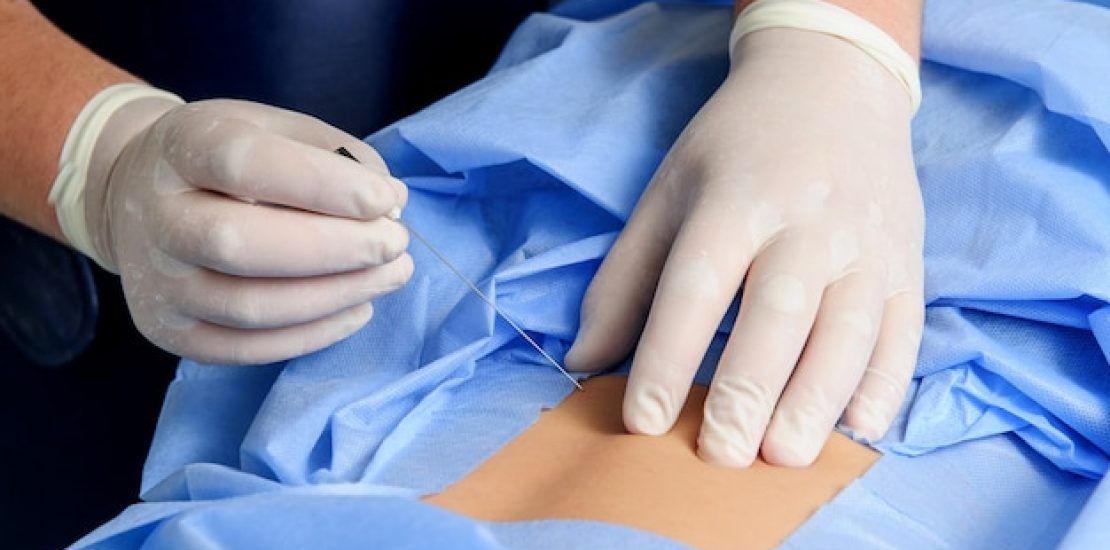
The operation is typically minimally invasive. It utilizes supermicrosurgical techniques with high-powered microscopes. Surgeons perform it under general anesthesia. The focus is on precision to ensure patency of the new bypass channels. Recovery generally involves a short hospital stay. Patients can often resume normal activities within a couple of weeks.
Med Assistance partners with neurosurgical clinics in Tunisia that excel in this domain. These clinics integrate advanced imaging for surgical planning. They provide comprehensive pre- and post-operative neurological assessments. This ensures each procedure is tailored to the individual’s specific anatomical and clinical profile.
Who is a Candidate for This Procedure?
Determining candidacy for lymphovenous bypass is a meticulous process. It requires a thorough multidisciplinary evaluation. Not every individual with Alzheimer’s disease will be suitable. Ideal candidates are typically in the early to moderate stages of the condition. This is when therapeutic intervention may have the most significant impact on disease trajectory.
Patients must undergo extensive diagnostic workups. These include advanced neuroimaging like MRI and PET scans. Imaging assesses brain structure, amyloid burden, and cerebrospinal fluid flow patterns. Comprehensive neuropsychological testing establishes a detailed cognitive baseline. Neurological examinations rule out other causes of dementia. The results help build a complete clinical picture for the surgical team.
General health and fitness for surgery are paramount criteria. Candidates need to be in acceptable overall physical health. They must not have uncontrolled co-morbidities that increase surgical risk. A history of bleeding disorders or severe cardiovascular disease may be contraindications. Realistic expectations about the procedure’s outcomes are essential. The surgery is considered a disease-modifying intervention, not a cure.
Choosing Tunisia for this Alzheimer’s surgical intervention offers distinct advantages. The cost of the procedure, including surgery, hospital stay, and diagnostics, typically ranges from €18,000 to €25,000. This represents savings of 50-70% compared to equivalent care in the United Kingdom or Canada. The duration of the medical stay is usually 10 to 14 days. This covers all consultations, the surgery, and initial post-operative follow-up.
Med Assistance guides you through every step of the candidacy assessment. We facilitate the secure transfer of medical records to our partner clinics. Our team helps coordinate all necessary pre-operative tests. We ensure you have all the information to make an informed decision. This support extends to arranging accommodation and logistics for you and your family. Exploring all options for care is crucial, including understanding different specialties; learn more about our full range of coordinated surgical services here.
The Surgical Procedure: Step-by-Step
The lymphovenous bypass for Alzheimer’s is a meticulously planned minimally invasive brain treatment performed under high-powered surgical microscopes. It is categorized as a form of neuroplastic surgery Tunisia specialists are increasingly adept at, focusing on physiological restoration rather than structural alteration. The procedure typically follows a standardized protocol to ensure safety and efficacy.
First, the patient undergoes advanced imaging, such as MRI lymphography, to map the precise location and patency of suitable lymphatic vessels and recipient venules in the scalp or upper neck region. On the day of surgery, the patient is placed under general anesthesia. The surgeon makes a small, discreet incision in the pre-marked area. Using microsurgical instruments, they carefully isolate a healthy lymphatic vessel and a nearby subdermal venule of similar diameter.
The core of this Alzheimer’s surgical intervention is the creation of a superfine anastomosis. The lymphatic vessel is connected end-to-side to the venule using sutures finer than a human hair. This new conduit establishes a low-pressure drainage pathway, effectively bypassing any potential outflow resistance in the natural glymphatic system surgery pathways. The goal is to enhance overall cerebrospinal fluid drainage and turnover. The incision is then closed with great care to preserve the new connection. The entire operation usually lasts several hours, reflecting its technical complexity, but due to its minimally invasive nature, it avoids opening the skull.
Results, Recovery, and Cost in Tunisia
As an emerging therapy, long-term data on lymphovenous bypass Alzheimer’s treatment Tunisia is still being gathered. Preliminary outcomes from pioneering centers focus on surrogate markers of success. The primary objective is the stabilization or slowing of cognitive decline, measured through standardized neuropsychological testing over time. Researchers also monitor potential improvements in biomarkers, such as reduced levels of beta-amyloid in cerebrospinal fluid, suggesting enhanced clearance.
Recovery is notably faster than with traditional craniotomy. Patients typically stay in the hospital for 2-4 days for monitoring. Initial recovery involves managing minor swelling and discomfort at the incision site. Most patients can resume light activities within a week, with full recovery over several weeks. Crucially, the procedure is an adjunct to a comprehensive care plan, including medication, diet, and cognitive therapy.
The cost advantage is a significant factor drawing international patients to Tunisia. The total package for this advanced procedure, including surgery, hospital stay, imaging, and specialist care, is often a fraction of the cost in North America or Western Europe. This accessibility, combined with the expertise found in Tunisian clinics partnering with Med Assistance, provides a viable option for many seeking innovative interventions. For detailed financial planning, contact our team for a transparent breakdown.
Frequently Asked Questions
Is lymphovenous bypass a proven cure for Alzheimer’s disease?
No, it is not a cure. Lymphovenous bypass is an emerging surgical intervention aimed at slowing disease progression by improving waste clearance from the brain via the glymphatic system. It addresses a key physiological mechanism believed to contribute to Alzheimer’s pathology. Clinical research is ongoing to definitively establish its efficacy and optimal patient selection criteria.
Why consider Tunisia for this advanced neurosurgical procedure?
Tunisia offers a compelling combination of highly skilled neurosurgeons trained in international microsurgical techniques, state-of-the-art medical facilities equipped for complex procedures, and significant cost advantages compared to Western countries. This synergy makes cutting-edge neuroplastic surgery Tunisia and advanced care more accessible without compromising on quality or safety standards.
What are the main risks associated with this surgery?
As with any surgery, especially one involving delicate structures, risks include infection, bleeding, adverse reaction to anesthesia, and scarring. Specific risks related to the lymphatic connection include potential blockage (thrombosis) of the bypass or leakage of lymph fluid. All potential complications are thoroughly discussed during the detailed patient consultation prior to any decision.
Conclusion
The exploration of lymphovenous bypass Alzheimer’s treatment Tunisia represents a bold shift towards surgically addressing the underlying physiology of neurodegenerative disease. By targeting cerebrospinal fluid drainage and glymphatic function, this minimally invasive brain treatment opens a new chapter in the management of Alzheimer’s. While not a cure, it embodies the innovative spirit of modern neuroplastic surgery, offering a potential avenue to modulate disease progression and improve quality of life. For families seeking every possible option, this procedure underscores the importance of accessing global medical innovation.
Contact Med Assistance for a free personalized quote.