

For individuals who have achieved significant weight loss, particularly through the use of weight loss medication, the journey towards a new body image can be complicated by persistent excess skin. A panniculectomy is a surgical procedure designed to address this specific concern, removing the overhanging abdominal apron. However, combining this surgery with a history of weight loss medication use introduces specific considerations regarding potential complications after panniculectomy with weight loss medication. Understanding these risks, the procedure itself, and the ideal candidacy is crucial for a safe and successful outcome. Med Assistance supports patients in navigating this complex medical landscape, connecting them with accredited surgeons and clinics in Europe where the procedure costs 50-70% less than in the UK or Canada, ensuring both quality care and financial accessibility.
What is a Panniculectomy? Definition and Principles
A panniculectomy is a major surgical procedure focused on functional improvement. It involves the resection of a large overhang of skin and fat from the lower abdomen. This overhang, known as a pannus or apron, often develops after massive weight loss. The surgery aims to alleviate chronic physical symptoms rather than purely aesthetic concerns.
The surgical principles involve a low, horizontal incision above the pubic area. The surgeon then carefully removes the predetermined excess tissue. Unlike a full abdominoplasty, a panniculectomy typically does not involve tightening the underlying abdominal muscles. The primary goal is to eliminate the heavy, hanging pannus that causes health issues.
This procedure directly addresses problems like chronic skin infections, rashes, and intertrigo in the skin folds. It also improves mobility and reduces back pain associated with the extra weight. Patients find relief from difficulties with personal hygiene and clothing fit. The surgery marks a significant step towards complete physical recovery after major weight reduction.
You should view a panniculectomy as a reconstructive operation. It restores normal abdominal contour and function. The procedure duration generally ranges from two to five hours under general anesthesia. Recovery requires careful planning and adherence to post-operative instructions. Med Assistance provides comprehensive guidance throughout this process, from surgeon selection to aftercare support.
Ideal Candidates and Key Indications
The ideal candidate for a panniculectomy is in stable health and has maintained a stable weight for at least six to twelve months. This stability is crucial whether weight loss came from bariatric surgery, lifestyle changes, or weight loss drugs. Patients must have realistic expectations about the surgical outcomes and resulting scars. They should be non-smokers or willing to stop well before and after surgery to promote healing.
Key indications are primarily medical and functional. The presence of a persistent overhanging pannus that causes recurrent skin infections or ulceration is a major indicator. Chronic lower back pain and postural problems due to the abdominal weight also qualify. Patients struggling with hygiene, mobility issues, or persistent rashes despite conservative treatment are strong candidates. The procedure significantly improves quality of life for these individuals.
A history of weight loss medication use requires special consideration. These drugs can affect nutritional status and tissue quality. Your surgeon will evaluate your complete medical history. They need to ensure any metabolic changes from the medication have stabilized. This evaluation minimizes surgical risk factors and helps tailor your surgical plan for safety.
You can explore detailed candidacy criteria and the process on our dedicated panniculectomy information page. The typical cost for a panniculectomy with Med Assistance in Europe ranges from €5,500 to €8,500. This represents substantial savings compared to North American prices. The package usually includes the surgery, hospital stay, surgeon and anesthetist fees, and Med Assistance’s full coordination service.
How the Procedure Works: Surgical Steps
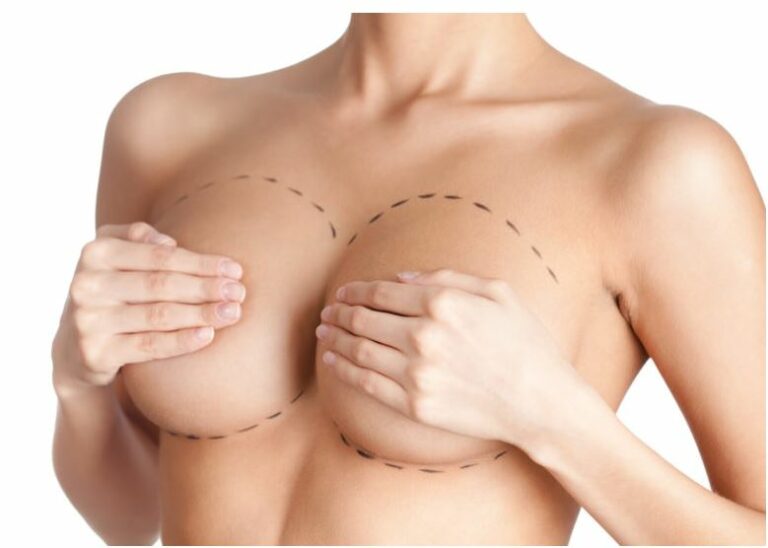
The panniculectomy procedure is a meticulously planned operation, typically performed under general anesthesia. The process begins with detailed pre-operative markings while the patient is standing. The surgeon outlines the extent of the pannus to be removed and the planned incision line, which is usually a low, horizontal ellipse across the lower abdomen, similar to a C-section scar but often longer. Once in the operating room, anesthesia is administered to ensure patient comfort and safety throughout.
The surgery itself follows a clear sequence. The surgeon makes the incision along the marked lines. The abdominal skin and fat layer are then carefully elevated off the underlying muscle fascia. This dissection is performed up to the level of the navel (umbilicus) or higher, depending on the size of the pannus. The predetermined excess tissue is completely excised. A key decision point involves the navel; in a standard panniculectomy, the belly button is often left in its original position (umbilical transposition is not typically performed unless it is part of a more extensive abdominoplasty).
Following the removal, the surgeon achieves meticulous hemostasis (control of bleeding) to minimize post-operative risks. One or more surgical drains are placed under the skin to collect any excess fluid and prevent seroma formation. The final and crucial step is wound closure. The remaining skin edges are brought together and sutured in multiple layers to ensure a strong, stable closure. A sterile dressing and a firm compression garment are applied to support healing and reduce swelling.
Specific Risks with Weight Loss Medication
While a panniculectomy offers transformative benefits, a history of weight loss medication use can influence surgical risk profiles. It’s essential to distinguish between the physiological effects of rapid weight loss and potential direct medication impacts. The primary concern is nutritional status. Some medications, particularly GLP-1 agonists, can significantly reduce appetite and calorie intake, potentially leading to deficiencies in vital proteins, vitamins, and minerals essential for wound healing and immune function. A malnourished state dramatically increases the risk of poor scar formation, wound breakdown, and infection.
Another critical consideration is weight stability. The success of a panniculectomy depends on maintaining a stable weight post-operatively. Patients using weight loss drugs must be at a consistent weight for a significant period (typically 6-12 months) before surgery. Continuing or restarting medication too soon after the procedure could lead to further weight loss, resulting in loose skin recurrence or an unsatisfactory contour. Furthermore, certain medications may interact with anesthesia or post-operative pain management drugs, necessitating thorough pre-operative review by the anesthesiologist.
Therefore, a multidisciplinary approach is paramount. Your prescribing physician and your plastic surgeon must collaborate. Blood tests to assess nutritional markers like albumin and prealbumin are often required. A period off the medication, under medical supervision, may be recommended to ensure optimal metabolic health and tissue perfusion for safe healing, directly addressing the unique challenges of post-bariatric surgery complications in this context.
Frequently Asked Questions
How long after stopping weight loss medication should I have a panniculectomy?
There is no universal timeline, as it depends on the specific medication and your individual health. The core principle is achieving and maintaining a stable weight for 6-12 months prior to surgery. It is crucial to discuss the timing of pausing or stopping your medication with both the doctor who prescribed it and your plastic surgeon. This coordination ensures your body has optimal nutritional status and metabolic balance for safe surgery and effective healing, minimizing surgical risk factors.
What is the most common complication after panniculectomy?
One of the most frequent complications is seroma, a buildup of clear fluid under the skin in the space where tissue was removed. Due to the large surface area involved in a panniculectomy, this is a common panniculectomy risk. Surgeons manage this risk by placing drains during surgery and prescribing compression garments. Other common complications include temporary swelling, bruising, and scarring. Risks like infection or wound healing issues are less common but are carefully monitored.
Can I combine a panniculectomy with other procedures in Tunisia?
Yes, combination procedures are common and can be very effective. A panniculectomy is frequently combined with liposuction to refine contours on the flanks or back, or with an abdominoplasty after medication to also repair separated abdominal muscles. Our partner clinics in Tunisia specialize in creating comprehensive, personalized surgical plans. Their surgeons will conduct a thorough assessment of your health, goals, and safety to determine if a combined approach is right for you.
Conclusion
Undergoing a panniculectomy after significant weight loss, including loss aided by medication, is a major step that requires careful planning. Understanding the surgical process and the specific considerations related to weight loss drugs surgery is key to mitigating risks and setting realistic expectations. By choosing an accredited surgical team and ensuring proper nutritional and medical preparation, patients can achieve successful functional and aesthetic outcomes. Med Assistance facilitates access to high-quality, affordable care in Europe, providing comprehensive support from consultation through recovery.
Contact Med Assistance for a free personalized quote.