
For patients considering breast reconstruction after mastectomy, the recovery journey is multifaceted, extending far beyond the operating room. A critical, yet often overlooked, aspect is sustained nutritional support, which can be profoundly challenging for individuals living in food deserts. These are areas with limited access to affordable, healthy food, and this reality can significantly impact post-surgery nutrition and overall healing. This article explores the intersection of surgical aftercare in Tunisia and the unique challenges posed by food environments, providing a roadmap for a successful recovery. Med Assistance facilitates this journey by connecting patients with expert surgeons and comprehensive care plans that address these vital needs.
What is Breast Reconstruction? Restoring Form After Mastectomy
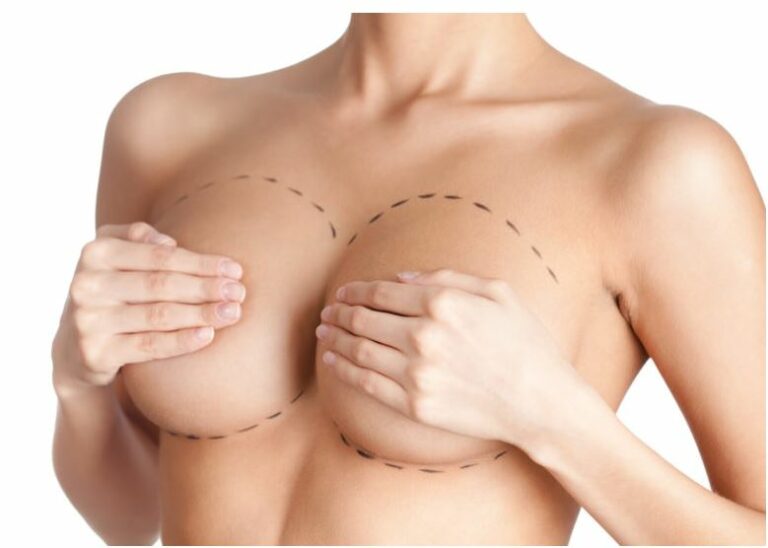
Breast reconstruction is a surgical procedure. It rebuilds the breast mound after a mastectomy. The goal is to restore symmetry and contour. This surgery can profoundly impact your psychological well-being and self-image. It is a key step in the holistic recovery from breast cancer.
Reconstruction can be performed using implants or your own tissue. Implant-based reconstruction involves placing a silicone or saline prosthesis. Autologous reconstruction uses tissue from another part of your body. Common donor sites include the abdomen, back, or thighs. Each method has specific indications and benefits.
The timing of your surgery is also a major consideration. Immediate reconstruction happens during the same operation as the mastectomy. Delayed reconstruction occurs months or even years later. Your overall health, cancer treatment plan, and personal preferences guide this decision. A skilled surgical team will discuss all options with you in detail.
Modern techniques focus on achieving natural-looking results. Surgeons meticulously craft the new breast to match the opposite side. Nipple and areola reconstruction are often final stages. This multi-step process requires careful planning and expert execution. The entire journey aims to help you feel whole again.
Choosing a destination like Tunisia for this procedure offers distinct advantages. You can access world-class surgical expertise at a significant cost reduction. Patients typically save 50-70% compared to prices in the UK or Canada. Med Assistance coordinates your entire medical journey. This ensures a seamless experience from consultation to follow-up care. Learn more about the surgical process on our dedicated breast reconstruction page.
Ideal Candidates for Breast Reconstruction in Tunisia
Ideal candidates are generally in good overall health. You must have completed necessary cancer treatments or have a clear plan. Your oncologist and plastic surgeon will collaborate closely. This ensures reconstruction aligns perfectly with your medical timeline. Realistic expectations about outcomes and recovery are essential.
Good physical health supports better healing and reduces recovery complications. Non-smokers or those who can quit before and after surgery are preferred. Smoking severely impairs blood flow and wound healing. Managing chronic conditions like diabetes is also crucial. Optimal health status directly influences your surgical success and safety.
Psychological readiness is another key factor. The process requires patience and emotional resilience. You should understand the stages and potential for multiple procedures. Support from family or friends is highly beneficial. Med Assistance provides continuous support throughout your stay. This helps manage the emotional aspects of your journey abroad.
Patients from regions with high medical costs find exceptional value in Tunisia. The savings of 50-70% make this life-changing surgery accessible. The price typically includes the surgeon, facility, anesthesia, and initial aftercare. This comprehensive package provides financial predictability. You receive premium care without the premium price tag of Western countries.
Your personal circumstances, including living in food deserts, are considered. Planning for post-surgery nutrition is a vital part of pre-operative counseling. Our team can advise on nutritional strategies to support healing. We help you prepare for a smooth recovery phase. This holistic approach addresses all factors influencing your outcome. It ensures you are fully prepared for both the procedure and the healing period ahead.
The Surgical Procedure: Techniques and Process
The breast reconstruction process is tailored to each patient’s anatomy, health status, and desired outcome. The procedure typically begins with a detailed consultation and planning phase, using advanced imaging to map the surgical approach. In the operating room, the process varies significantly based on the chosen technique.
For implant-based reconstruction, the surgeon creates a pocket beneath the chest muscle or a new support layer of tissue. A temporary tissue expander may be placed first, gradually filled with saline over several weeks to stretch the skin and muscle. Once the desired volume is achieved, a second, smaller surgery replaces the expander with a permanent implant. For autologous or « flap » reconstruction, the procedure is more complex. The surgeon carefully harvests skin, fat, and sometimes muscle from a donor site—like the abdomen (DIEP or TRAM flap) or back (Latissimus Dorsi flap). The tissue, with its blood vessels, is then meticulously transferred to the chest. Using microsurgery, the surgeon reconnects these vessels to blood vessels in the chest to ensure the tissue survives and thrives in its new location.
Regardless of the method, the surgery requires precision and artistry to create a natural shape and symmetry. The final stages often involve refining the contour and, in a later procedure, reconstructing the nipple and areola. The entire process, from initial mastectomy to final touches, is a journey of restoration, demanding not only surgical excellence but also a comprehensive support system for the patient’s physical and emotional recovery.
Results, Recovery, and Managing Nutrition in Tunisia
The initial results of breast reconstruction are visible immediately, though final symmetry and sensation will evolve over the coming months as swelling subsides and scars mature. The recovery timeline is crucial, typically involving several weeks of restricted activity. Proper surgical aftercare Tunisia is the cornerstone of this phase, directly influencing outcomes and minimizing recovery complications.
This is where the challenge of food desert impact becomes critically important. Optimal healing requires a diet rich in lean proteins for tissue repair, vitamin C for collagen synthesis, zinc for wound healing, and adequate hydration. A lack of access to fresh produce, lean meats, and whole grains—common in food deserts—can lead to nutritional deficiencies that slow healing, weaken the immune system, and compromise scar quality.
Choosing a clinic in Tunisia that prioritizes post-surgery nutrition as part of its aftercare protocol is a strategic advantage. Reputable medical centers provide patients with detailed dietary plans and access to nutritionists who understand the specific needs of mastectomy reconstruction recovery. They can offer practical solutions, such as identifying locally available nutrient-dense foods or suggesting appropriate supplements. This guided approach ensures that even patients accustomed to limited food options can receive the targeted nutritional support necessary for a strong, uncomplicated recovery, turning a potential vulnerability into a managed part of the healing journey.
Frequently Asked Questions
How does living in a food desert affect my breast reconstruction recovery?
Limited access to fresh, nutrient-dense foods can directly impede healing. Inadequate intake of protein, vitamins, and minerals can slow tissue repair, increase the risk of infection, and lead to poor scar formation. Proper post-surgery nutrition is non-negotiable for optimal results, making proactive dietary planning an essential part of your aftercare strategy.
What makes Tunisia a good choice for breast reconstruction?
Tunisia combines highly-skilled, internationally-trained surgeons with state-of-the-art medical facilities at a fraction of the cost found in many Western countries. Crucially, leading clinics offer comprehensive aftercare programs that include specific nutritional guidance. This holistic approach addresses a key gap for international patients, ensuring the recovery environment supports the surgical success.
What is included in the surgical aftercare in Tunisia?
Comprehensive aftercare typically includes regular follow-up consultations with your surgeon, detailed wound care management, and physiotherapy if needed. A critical component is personalized dietary planning to ensure you receive the proteins, vitamins (like A and C), and minerals (like zinc and iron) essential for healing. This support is designed to help mitigate the nutritional challenges one might face, even in a food desert.
Conclusion
Breast reconstruction in Tunisia offers a path to restoration that marries surgical expertise with attentive, holistic aftercare. By proactively addressing the critical role of nutrition—a significant concern for those in food deserts—the recovery process becomes a supported and manageable journey. The goal is not just a successful surgical outcome, but a fully empowered and healthy recovery. Explore your options for breast reconstruction with a partner who understands every facet of your healing.
Contact Med Assistance for a free personalized quote.