The global landscape of aesthetic enhancement is undergoing a significant demographic shift, with a notable increase in the number of non-white patients seeking cosmetic procedures. This trend is particularly pronounced in destinations that combine surgical excellence with cultural understanding, such as Tunisia. The rising rates of cosmetic surgery in non-white patients Tunisia reflect a growing demand for procedures that honor ethnic features while achieving personal aesthetic goals. This movement goes beyond mere trends, representing a deeper evolution towards personalized, culturally-attuned care. For many patients from the UK, Canada, and beyond, Tunisia offers a compelling solution, providing access to highly skilled surgeons specializing in ethnic-sensitive techniques at a fraction of the cost, often realizing savings of 50-70% compared to Western prices.
What is Ethnic-Sensitive Cosmetic Surgery?
Ethnic-sensitive cosmetic surgery is a specialized philosophy and practice. It moves beyond a one-size-fits-all approach to facial and body contouring. This discipline recognizes and respects the unique anatomical characteristics, skin properties, and aesthetic ideals of different ethnicities. The goal is never to erase ethnic identity but to refine and harmonize features. Surgeons adept in this field possess a deep understanding of diverse nasal structures, eyelid anatomy, and skin types.
For instance, ethnic rhinoplasty requires specific techniques to address broader nasal bridges and thicker skin. Asian blepharoplasty focuses on creating a natural-looking supratarsal crease without Westernizing the eyes. Procedures for patients with darker skin tones must account for higher risks of keloid scarring or hyperpigmentation. This nuanced approach ensures results that look natural and authentic to the patient’s heritage.
In Tunisia, clinics partnering with Med Assistance have cultivated significant expertise in this domain. They attract a diverse international clientele seeking this specialized care. Surgeons utilize advanced methodologies tailored for African, Asian, Middle Eastern, and Mediterranean features. This expertise, combined with state-of-the-art facilities, positions Tunisia as a leading destination for patients who desire enhancements that celebrate their unique beauty.
Ideal Candidates and Common Indications
Ideal candidates for ethnic-sensitive procedures in Tunisia are healthy individuals with realistic expectations. You should seek enhancement, not transformation. A good candidate understands the importance of preserving their ethnic identity. You should have specific concerns about features that you feel are disproportionate or not in harmony. A thorough consultation with a specialist surgeon is the essential first step to determine your suitability.
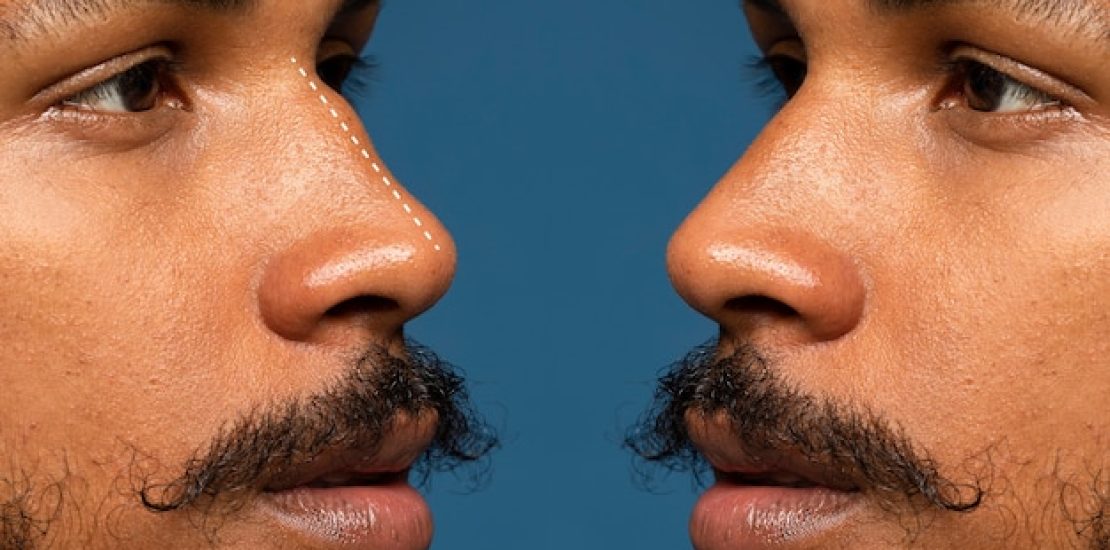
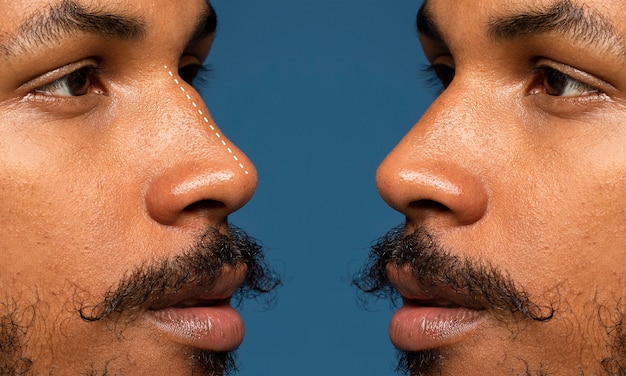
Common indications include nasal reshaping, where patients seek to refine a nasal bridge or tip while maintaining ethnic character. This is often the focus of ethnic rhinoplasty Tunisia and African American rhinoplasty Tunisia procedures. Eyelid surgery, particularly Asian blepharoplasty Tunisia, is frequently requested to create a defined eyelid crease. Patients also seek treatments for body contouring and skin-specific issues like hyperpigmentation, which fall under cosmetic surgery for ethnic skin Tunisia.
The motivations are as diverse as the patients themselves. Many seek to correct features that make them feel self-conscious. Others desire a refreshed, more youthful appearance that aligns with their personal aesthetic. The decision to travel for non-white plastic surgery Tunisia is often driven by finding a surgeon with proven expertise in your specific ethnic anatomy. Combined with the substantial cost savings, this makes Tunisia a strategic choice for achieving your goals.
Procedures like rhinoplasty or blepharoplasty typically require a stay of 7-10 days in Tunisia for surgery and initial follow-up. The all-inclusive price, covering surgery, hospital fees, and often accommodation, can range from €2,000 to €3,500. This represents savings of 50-70% compared to equivalent surgery in the UK or Canada. Med Assistance facilitates your entire journey, ensuring you connect with the right specialist and have seamless logistical support.
How Ethnic-Sensitive Procedures Work in Tunisia
Tunisia’s emergence as a premier destination for cosmetic surgery for ethnic skin Tunisia is built on a foundation of specialized surgical skill and a patient-centric philosophy. The process begins long before the surgery date, with an in-depth virtual consultation. Surgeons meticulously analyze the patient’s unique ethnic features—such as nasal cartilage structure for ethnic rhinoplasty Tunisia, or eyelid fat distribution for Asian blepharoplasty Tunisia—to design a fully personalized surgical plan. This plan respects the patient’s heritage while addressing their specific desires for refinement.
In the operating room, techniques are adapted to ethnic anatomy. For African American rhinoplasty Tunisia, surgeons employ methods to skillfully refine a wider nasal bridge and nostrils, and manage thicker skin to achieve defined yet natural-looking contours. For procedures on darker skin tones, surgeons utilize precise, minimally traumatic techniques and specific suture materials to significantly reduce risks of hyperpigmentation or keloid scarring. Post-operative care is equally tailored, often including specialized skincare regimens to promote even healing. This comprehensive, culturally-attuned approach, from consultation to aftercare, is what defines the excellence of non-white plastic surgery Tunisia and ensures results that enhance, rather than obscure, ethnic beauty.
Results, Recovery, and Cost Advantage in Tunisia
Patients seeking ethnic-sensitive procedures in Tunisia can expect natural, harmonious results that align with their aesthetic vision. The recovery process follows international medical standards, with clear, personalized guidelines provided by your surgical team. While initial swelling and bruising are normal, the tailored techniques used for ethnic skin and features often contribute to a smooth healing journey. Patients are typically advised on sun protection and specific scar management protocols crucial for darker skin tones. Most patients can return to light activities within a week, with final, refined results becoming fully apparent over several months as swelling subsides.
The most compelling advantage remains the significant cost savings. Tunisia offers world-class surgical care at a fraction of Western prices due to lower operational costs. For example, a complex ethnic rhinoplasty Tunisia procedure that requires specialized grafting and sculpting techniques might cost between €7,000 and €15,000 in North America or Western Europe. In Tunisia, the same high-quality procedure, performed by an equally qualified surgeon, is typically available in an all-inclusive package (surgery, hospital stay, aftercare) for €2,000 to €3,500. This 50-70% saving makes sophisticated, ethnic-focused cosmetic surgery accessible without compromising on safety, expertise, or personalized results.
Frequently Asked Questions
Is cosmetic surgery in Tunisia safe for non-white patients?
Yes, absolutely. Safety is paramount. Reputable Tunisian clinics working with Med Assistance employ board-certified surgeons with specific training and experience in ethnic anatomy and techniques. They adhere to strict international safety protocols. The consultation process is thorough, focusing on your specific skin type, scarring tendencies, and aesthetic goals to ensure a safe procedure and optimal, natural-looking results.
How do I choose a surgeon in Tunisia for ethnic procedures?
Choosing the right surgeon is critical. Prioritize surgeons who demonstrate proven experience in ethnic cosmetic surgery. Carefully review their before-and-after galleries featuring non-white patients with features similar to yours. Ensure the clinic offers detailed virtual consultations, allowing you to discuss your ethnic-specific goals and assess the surgeon’s understanding of the nuanced techniques required for your procedure.
What is the typical cost of ethnic rhinoplasty in Tunisia?
The cost is significantly lower than in the US or Europe. Ethnic rhinoplasty in Tunisia, a technically demanding procedure, typically ranges from €2,000 to €3,500 in an all-inclusive package. This covers the surgery, hospital fees, anesthesia, and often aftercare. This compares very favorably to prices starting at €7,000 and upwards in other regions, offering exceptional value without compromising on surgical quality or care.
Conclusion
The rising demand for cosmetic surgery among non-white patients finds a sophisticated and affordable answer in Tunisia. By combining deep expertise in ethnic-sensitive techniques with significant cost advantages, Tunisia empowers patients to achieve personalized aesthetic goals while honoring their unique heritage. This journey towards enhanced confidence is supported by skilled surgeons dedicated to delivering natural, culturally-attuned results.
Contact Med Assistance for a free personalized quote.