
Undergoing a breast reconstruction is a significant step in the journey to physical and emotional recovery after a mastectomy. While modern surgical techniques offer excellent outcomes, understanding potential breast reconstruction complications is a crucial part of informed patient care. A successful recovery depends not only on surgical skill but also on meticulous post-operative care, where nutrition plays a starring role. This is a particular consideration for patients traveling from areas with limited access to fresh, healthy foods, sometimes termed food deserts. For many international patients, combining high-quality surgical care with comprehensive recovery support in a country like Tunisia presents a valuable solution. Med Assistance facilitates this journey, connecting patients with accredited surgeons and providing full logistical support, often resulting in savings of 50-70% compared to costs in the UK or Canada, without compromising on safety or results.
What is Breast Reconstruction?
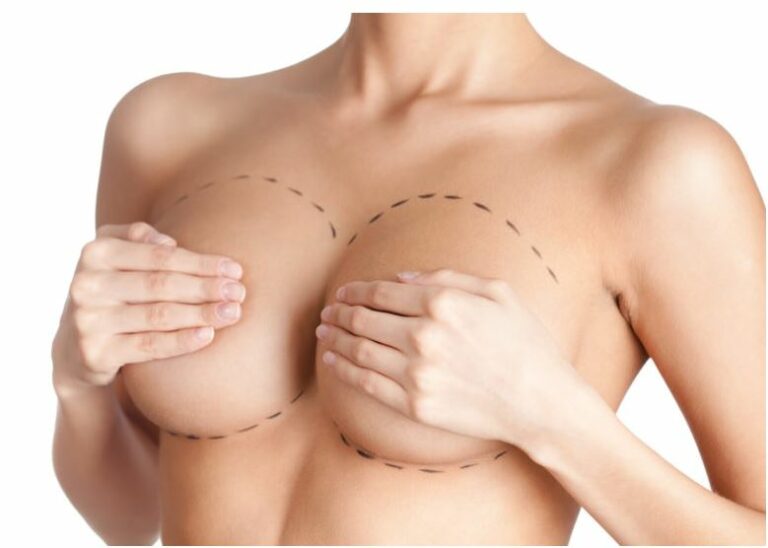
Breast reconstruction is a surgical procedure to restore the shape, volume, and appearance of a breast. It is most commonly performed after a mastectomy (surgical removal of the breast) due to cancer. The goal is to create a breast mound that matches your natural breast as closely as possible. This procedure can be profoundly impactful for a woman’s self-image and psychological well-being following cancer treatment. It represents a key step in reclaiming a sense of normalcy and wholeness.
Reconstruction can be performed using several techniques, broadly categorized into implant-based and autologous (or « flap ») reconstruction. Implant reconstruction uses silicone or saline implants to form the new breast mound. Autologous reconstruction uses your own tissue, typically from the abdomen, back, or thighs, to create the new breast. Each method has specific indications, benefits, and considerations for surgical complications risk. The choice depends on your body type, medical history, cancer treatment, and personal preferences.
The timing of the surgery is another critical decision. Immediate reconstruction happens during the same operation as the mastectomy. Delayed reconstruction is performed months or even years later. Both approaches are valid and depend on factors like the need for adjuvant radiotherapy. A detailed discussion with your plastic surgeon is essential to determine the optimal path for your breast reconstruction recovery. You can explore the different surgical options in more detail on our dedicated page about breast reconstruction techniques and planning.
Ideal Candidates and Indications
Most women who have undergone or will undergo a mastectomy are potential candidates for breast reconstruction. The primary indication is the desire to restore the breast’s form after its removal for therapeutic or prophylactic (preventive) reasons. Ideal candidates are in generally good health, have realistic expectations about the outcomes, and understand the commitment required for the recovery process. A stable body weight and non-smoking status significantly improve surgical outcomes and minimize risks.
Your overall health status is thoroughly evaluated before approval for surgery. This assessment includes reviewing your oncology treatment plan, as radiation therapy can influence the timing and type of reconstruction. Conditions like uncontrolled diabetes, severe cardiovascular disease, or active smoking may require management before surgery can be safely planned. The surgical team, including your oncologist and plastic surgeon, will work together to ensure your reconstruction plan aligns with your overall cancer care and health profile.
For international patients considering Tunisia for their procedure, the candidacy process is equally rigorous. Med Assistance coordinates comprehensive medical evaluations with JCI-accredited surgeons and facilities. The process typically involves a detailed review of your medical records and virtual consultations. The significant cost advantage, with procedures often costing 50-70% less than in Western Europe or North America, makes this high-quality care accessible. The entire process, from initial consultation to surgery and initial follow-up, can be organized within a planned stay of approximately 10 to 14 days for the surgical phase.
How Breast Reconstruction Works
Breast reconstruction is a highly personalized surgical journey, typically involving one or more procedures to create a new breast mound. The process begins with a detailed consultation where your surgeon evaluates your health, anatomy, and goals to recommend the most suitable technique. The two primary methods are implant-based and autologous (flap) reconstruction.
Implant-based reconstruction involves placing a silicone or saline implant beneath the chest muscle or a supportive tissue matrix. This can be done immediately after mastectomy or delayed. Sometimes, a tissue expander is first placed to gradually stretch the skin and muscle, creating a pocket for the permanent implant in a subsequent surgery. This method is less invasive than flap surgery but may require future implant replacement.
Autologous or « flap » reconstruction uses your own tissue, fat, and skin to form a new breast. Common donor sites include the abdomen (DIEP or TRAM flap), back (latissimus dorsi flap), or thighs. This technique creates a more natural-looking and feeling breast that ages with your body, but it is a more complex operation with a longer initial recovery. Often, a combination of flap and implant is used. Regardless of the method, procedures to refine symmetry, reconstruct the nipple, and tattoo the areola may complete the process months later.
Results, Recovery and Prices in Tunisia
The final results of breast reconstruction aim to restore a natural breast contour and improve body image. While perfection is not the goal—scarring and some asymmetry are normal—most patients achieve a very satisfying outcome. The breast reconstruction recovery timeline varies: hospital stay is typically 1-3 days for implants and 4-7 days for flap procedures. Initial swelling and discomfort are managed with medication. Full recovery and return to normal activities may take 6-8 weeks, with final results settling over several months.
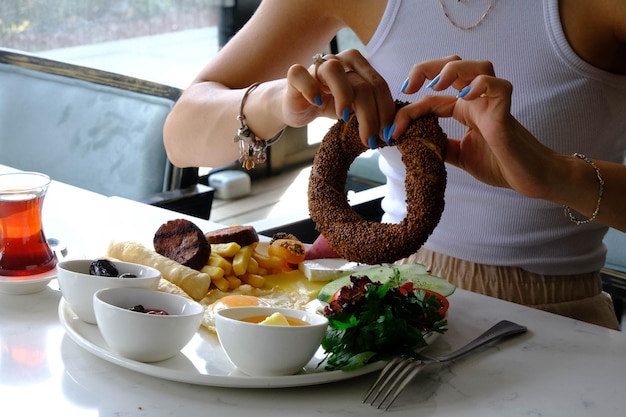
Critical to this phase is post-operative care, where nutrition after surgery is paramount. A diet rich in protein, vitamins, and minerals fuels tissue repair and strengthens the immune system to combat surgical complications risk. This holistic approach to healing is a cornerstone of care in Tunisia’s leading clinics. Choosing Tunisia for your mastectomy reconstruction offers exceptional value. Patients benefit from internationally-trained, board-certified surgeons operating in JCI-accredited facilities. The total cost, including surgery, hospital fees, and often accommodation, is typically 50-70% less than in North America or Western Europe, making world-class care remarkably accessible without compromising safety or aesthetic standards.
Frequently Asked Questions
What are the most common breast reconstruction complications?
As with any major surgery, risks exist. Common breast reconstruction complications include infection, bleeding, hematoma, and poor wound healing. Specific to implants are risks of rupture, displacement, or capsular contracture (hardening of scar tissue around the implant). In autologous reconstruction, partial or total flap loss due to blood supply issues is a key concern. Other possibilities include asymmetry, changes in breast or nipple sensation, and anesthesia risks. An experienced surgeon employs techniques to minimize these surgical complications risk significantly.
How does nutrition affect breast reconstruction recovery?
Nutrition is a critical pillar of breast reconstruction recovery. The body requires increased protein for tissue repair, vitamin C for collagen synthesis, vitamin A for cell growth, and minerals like zinc and iron for wound healing and oxygen transport. Adequate nutrition after surgery directly supports faster healing, reduces infection risk, and improves energy levels. Conversely, poor nutrition can lead to delayed recovery, weaker scar tissue, and a higher likelihood of complications, underscoring the importance of dietary planning as part of your post-operative care.
Why choose Tunisia for breast reconstruction surgery?
Tunisia has emerged as a leading destination for mastectomy reconstruction due to its synergy of quality, affordability, and comprehensive care. The country boasts highly-skilled plastic surgeons, many trained in Europe, practicing in modern hospitals. The cost advantage is substantial, allowing patients to access complex procedures like DIEP flap reconstruction at a fraction of Western prices. Furthermore, specialized medical tourism agencies like Med Assistance manage all logistics—from surgeon selection and travel to accommodation and follow-up—creating a seamless, supportive journey for international patients.
Conclusion
Navigating the path of breast reconstruction requires careful consideration of surgical options, a dedicated recovery plan with a focus on nutrition, and choosing the right surgical team and environment. For patients seeking exceptional care combined with significant cost savings, Tunisia presents a compelling and professionally managed solution. By addressing both the surgical and holistic aspects of healing, patients can move forward with confidence toward their restorative goals. Contact Med Assistance for a free personalized quote.