For many women undergoing a mastectomy, breast reconstruction is a vital step in reclaiming their body and emotional well-being. However, a successful recovery depends on more than just surgical skill; it hinges on comprehensive post-operative care, where nutrition plays a starring role. This creates a unique challenge for patients living in food deserts, areas with limited access to affordable, nutritious food. When considering breast reconstruction complications Tunisia as a medical tourism destination, understanding the interplay between surgical aftercare and your home environment is crucial. At Med Assistance, we prioritize your holistic journey, ensuring you are prepared for every phase, from the operating room to a healthy recovery at home, regardless of your local food landscape.
What is Breast Reconstruction? Restoring Form After Mastectomy
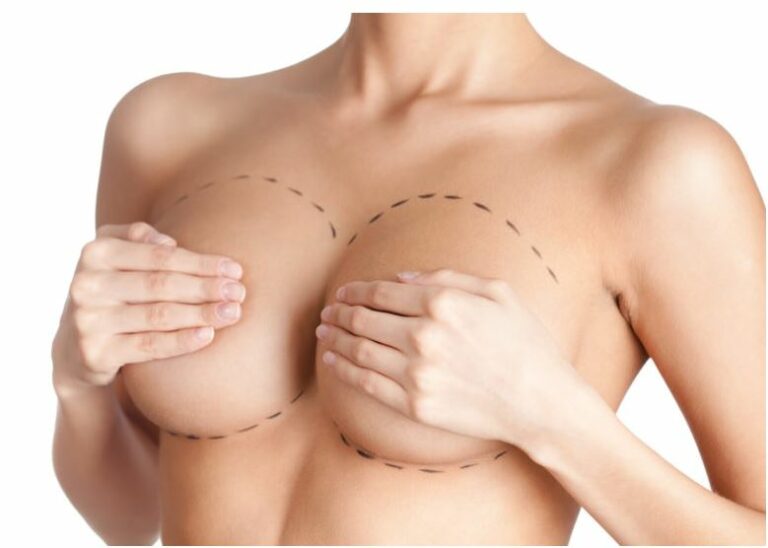
Breast reconstruction is a surgical procedure to recreate a breast mound. It aims to restore symmetry and form following a mastectomy or lumpectomy. This process can significantly improve self-image and quality of life. The goal is to provide a natural contour under clothing.
Reconstruction can be performed immediately at the same time as the mastectomy. It can also be done as a delayed procedure months or years later. The timing depends on your cancer treatment plan and personal choice. Your surgeon will discuss the optimal schedule for your health.
The two primary techniques are implant-based reconstruction and autologous (flap) reconstruction. Implant reconstruction uses silicone or saline devices to form a new breast mound. Flap reconstruction uses your own tissue, typically from the abdomen or back. Each method has specific indications, benefits, and recovery profiles.
Implant procedures often involve a shorter initial surgery. They may require subsequent operations for adjustments or implant replacement over time. Flap surgeries are more complex and lengthy. They offer a more natural feel and longevity using your living tissue.
A successful outcome depends on meticulous surgical technique and planning. It also requires optimal healing conditions. Proper nutrition provides the essential building blocks for tissue repair. This is a critical factor in minimizing risks and achieving the best aesthetic result. You can explore the detailed surgical options on our dedicated page for breast reconstruction.
Ideal Candidates for Breast Reconstruction in Tunisia
Ideal candidates are women in good general health who have undergone or plan to undergo a mastectomy. You should have realistic expectations about the outcomes and recovery process. A stable psychological state is important for navigating the surgical journey. Motivation to follow pre and post-operative instructions is key.
Good candidates are non-smokers or willing to quit well before surgery. Smoking severely compromises blood flow and dramatically increases healing complications. Managing chronic conditions like diabetes or hypertension is also essential. Optimal health status directly correlates with smoother recovery and lower risk.
Tunisia has emerged as a leading destination for this specialized surgery. The country offers internationally trained, board-certified plastic surgeons. They operate in JCI-accredited hospitals with modern technology. This ensures a standard of care comparable to Western Europe and North America.
One of the most compelling reasons is the significant cost advantage. Patients can save between 50% and 70% compared to prices in the UK or Canada. This all-inclusive package typically covers the surgery, hospital stay, implants, and surgeon fees. It also includes essential aftercare, providing tremendous financial accessibility.
Medical tourism with Med Assistance adds a layer of seamless support. We manage your entire trip, from consultation coordination to hospital admission. Our team assists with travel, accommodation, and local logistics. This allows you to focus entirely on your healing and well-being in a supportive environment.
The recovery period in Tunisia is a critical phase. You will receive direct nutritional guidance from your surgical team before returning home. This preparation is especially valuable if you face challenges like living in food deserts. We help you plan strategies to maintain a healing diet. This proactive approach mitigates potential breast reconstruction complications Tunisia patients aim to avoid.
How Breast Reconstruction Surgery Works: Techniques and Process
Flap surgeries are more complex and lengthy but can offer a more natural feel and long-term durability. The process begins with a comprehensive consultation where your surgeon evaluates your health, anatomy, and goals. Advanced imaging may be used for precise planning. The surgical approach is meticulously chosen to align with your body type and recovery capacity, a consideration that becomes even more critical when discussing the food desert impact surgery recovery may face later.
For implant-based reconstruction, the surgeon creates a pocket beneath the chest muscle or remaining breast tissue. A tissue expander, a temporary implant, is often placed first to gradually stretch the skin and muscle. Over several weeks, this expander is filled with saline during outpatient visits. Once the desired volume is achieved, a second surgery replaces the expander with a permanent implant. This staged approach allows for optimal control over the final shape and size.
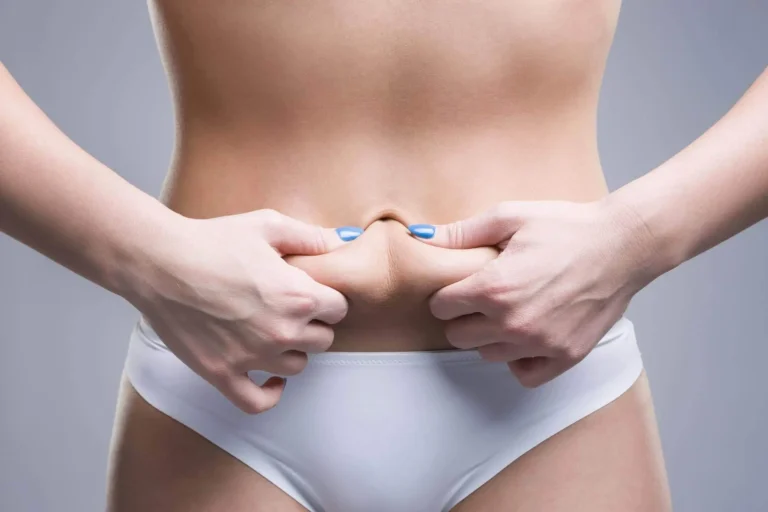
Autologous reconstruction, such as the DIEP (Deep Inferior Epigastric Perforator) flap, involves meticulously transferring skin, fat, and blood vessels from a donor site (like the abdomen) to the chest. Microsurgical techniques are used to reconnect the blood vessels, ensuring the transplanted tissue survives. This method creates a breast that ages naturally with your body but requires a higher degree of surgical expertise and a longer initial recovery period. Understanding these processes underscores why robust post-operative nutrition is non-negotiable for healing, whether you are at home or considering breast reconstruction recovery Tunisia.
Results, Recovery Timeline, and Cost in Tunisia
The final results of breast reconstruction evolve over time. Initial swelling subsides over several weeks, with the true shape and softness settling over 6 to 12 months. Scars will fade but remain visible. The outcome aims for symmetry and a natural contour in clothing, significantly aiding psychological recovery. A successful result is deeply connected to a complication-free healing journey, which is why access to healthy food after surgery is a key pillar of our patient guidance at Med Assistance.
The recovery timeline varies by procedure. Hospital stays range from 1-2 days for implants to 5-7 days for flap surgeries. Most patients resume light activities within 2-3 weeks but need 6-8 weeks before returning to strenuous work or exercise. Throughout this period, the body demands extra protein, vitamins C and A, and zinc for collagen synthesis and immune function. This highlights the challenge for patients in food deserts and the importance of proactive nutritional planning.
Choosing Tunisia for this procedure offers exceptional value. The medical tourism Tunisia breast surgery sector is renowned for its board-certified plastic surgeons trained in Europe and North America, operating in JCI-accredited facilities. The cost, typically 30-50% lower than in Western Europe or North America, includes the surgery, hospital fees, and often a comprehensive aftercare package. This affordability allows patients to potentially invest in high-quality nutritional support during their recovery, mitigating some challenges posed by their home environment. Med Assistance manages every logistic detail, ensuring your focus remains solely on healing.
Frequently Asked Questions
How does living in a food desert specifically affect my recovery from breast reconstruction?
Limited access to fresh, nutrient-dense foods can directly impair wound healing, increase infection risk, and prolong fatigue. Proper intake of protein (for tissue repair), vitamins C and A (for collagen and cell growth), and zinc (for immunity) is crucial post-surgery. A diet lacking these elements can slow recovery and elevate the risk of post mastectomy complications. We advise all patients, especially those anticipating this challenge, to create a concrete nutritional plan before surgery.
Why choose Tunisia for breast reconstruction over my home country?
Tunisia offers a compelling combination of internationally accredited surgeons, modern facilities adhering to strict safety protocols, and significant cost savings—often 30-50% less than comparable care in Western countries. This does not compromise quality. Combined with the personalized, end-to-end support from a medical facilitator like Med Assistance, which includes detailed recovery planning, it presents a holistic and valuable medical tourism Tunisia breast surgery option for achieving your reconstructive goals.
What are the most common complications after breast reconstruction, and how are they managed?
Common issues include infection, capsular contracture (hardening around an implant), hematoma (blood collection), and flap-related concerns like partial necrosis in autologous reconstruction. Reputable Tunisian clinics are adept at managing these through stringent sterile techniques, precise surgery, and close post-operative monitoring. Preventive measures and clear protocols for early intervention are standard, ensuring any potential breast reconstruction complications Tunisia are addressed promptly and effectively.
Conclusion
Breast reconstruction is a profound step in physical and emotional healing. While surgical excellence is paramount, a successful outcome is equally dependent on the recovery environment, particularly nutrition. For patients living in food deserts, this requires careful forethought. By choosing a destination like Tunisia, you gain access to world-class surgical care at exceptional value, supported by a medical facilitator dedicated to your holistic journey—from pre-operative planning to navigating post-operative wellness at home. Explore your options for a new beginning with confidence.
Contact Med Assistance for a free personalized quote.