
Choosing to undergo breast reconstruction is a significant and personal step in the journey following a mastectomy. While the procedure offers profound physical and psychological benefits, it is a major surgery with inherent risks. Understanding potential breast reconstruction complications is a crucial part of informed decision-making, especially when considering medical tourism destinations like Tunisia. This article provides a detailed overview of the procedure, candidacy, and how to navigate your options safely with the support of a dedicated facilitator like Med Assistance, where you can achieve savings of 50-70% compared to costs in the UK or Canada.
What is Breast Reconstruction? Restoring Form After Mastectomy
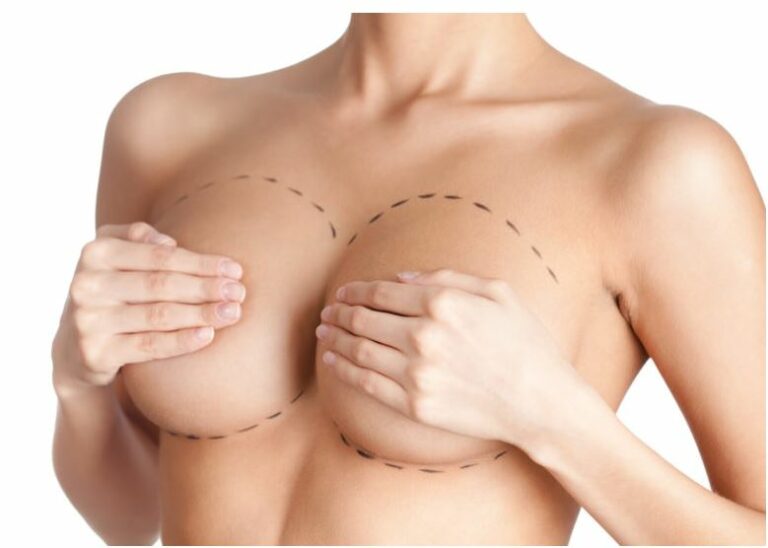
Breast reconstruction is a surgical procedure. It rebuilds the shape and volume of a breast. This follows the removal of breast tissue, typically due to cancer. The goal is to restore a natural breast contour. This can be done using implants or your own body tissue. The process often involves multiple stages over several months.
Reconstruction can be immediate or delayed. Immediate reconstruction happens during the same surgery as the mastectomy. Delayed reconstruction occurs months or even years later. Your surgical team will help you decide the best timing. This depends on your overall health and cancer treatment plan.
The two primary techniques are implant-based and autologous reconstruction. Implant reconstruction uses silicone or saline devices to create breast mound. Autologous reconstruction uses tissue from another part of your body. Common donor sites include the abdomen, back, or thighs. Each method has specific benefits and considerations.
Recovery from breast reconstruction requires patience and care. You will need to follow all post-operative instructions closely. Potential breast reconstruction risks include infection, bleeding, and issues with wound healing. Choosing an experienced surgical team minimizes these risks. Med Assistance partners exclusively with JCI-accredited clinics in Tunisia for your safety.
Successful reconstruction profoundly impacts quality of life. It helps restore a sense of wholeness and femininity. Many women report increased self-confidence and well-being. A comprehensive breast surgery program addresses both physical and emotional recovery. Your journey is supported every step of the way.
Ideal Candidates for Breast Reconstruction in Tunisia
Ideal candidates are in good general health. You should have realistic expectations about the outcomes. The procedure is suitable for women who have undergone a mastectomy or lumpectomy. It is also an option for those with congenital breast deformities. A stable weight and non-smoking status significantly improve surgical results.
Your overall cancer treatment status is a key factor. Surgeons typically recommend reconstruction after completing necessary radiotherapy. This reduces the risk of complications affecting the final result. A discussion with your oncologist and plastic surgeon is essential. Med Assistance facilitates these consultations with multidisciplinary teams in Tunisia.
Women considering post-mastectomy surgery Tunisia benefit from world-class care at accessible prices. All-inclusive breast surgery packages Tunisia often include the procedure, hospital stay, and aftercare. These packages provide clarity and financial predictability. You avoid the hidden costs common in other healthcare systems.
Patients who have experienced significant weight loss may seek reconstruction. Surgical complications after weight loss can include skin laxity and volume loss. Reconstruction can address these changes effectively. The procedure contours the breast to achieve a more proportionate and youthful appearance. Your surgeon will tailor the technique to your specific anatomy.
Medical tourism safety is a paramount concern for international patients. Choosing a certified facilitator like Med Assurance mitigates these risks. We manage logistics, translation, and follow-up care. This allows you to focus entirely on your recovery. The combination of expert surgeons and comprehensive support ensures a positive experience and outstanding results.
The Procedure: Techniques and Surgical Process
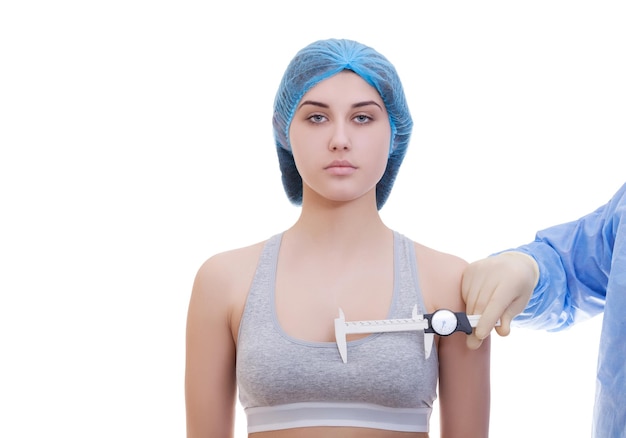
The surgical process for breast reconstruction is meticulously planned and tailored to each patient’s anatomy, health status, and desired outcome. The journey typically begins with a comprehensive consultation, often facilitated remotely by Med Assistance, to discuss the two main pathways: implant-based and autologous (flap) reconstruction.
Implant-Based Reconstruction: This technique involves placing a silicone or saline implant beneath the chest muscle to create a new breast mound. It often requires a two-stage process. First, a tissue expander is placed to gradually stretch the skin and muscle. Over several weeks, this expander is filled via a small port. Once the desired volume is achieved, a second surgery replaces the expander with the permanent implant. This method is less invasive than flap surgery but carries specific breast reconstruction risks like capsular contracture (scar tissue hardening around the implant) or implant rupture.
Autologous (Flap) Reconstruction: This method uses your own tissue, typically from the abdomen (DIEP flap), back (latissimus dorsi flap), or thighs. It is a more complex microsurgical procedure where tissue, along with its blood supply, is transferred to the chest. The DIEP flap, in particular, is a gold standard as it preserves abdominal muscle function. While recovery can be longer, the results are often more natural in feel and appearance, and the reconstructed breast ages naturally with your body. This technique is highly specialized and a key strength in advanced Tunisian clinics.
Regardless of the method, the procedure is performed under general anesthesia. The surgical team, including a lead surgeon and often a microsurgeon for flap procedures, works with precision. The process can take several hours, especially for autologous reconstruction, and focuses on symmetry, contour, and minimizing visible scarring.
Results, Recovery, and Navigating Tunisia’s Landscape
Realistic expectations are vital for satisfaction. Final results emerge gradually as swelling subsides and scars mature over 12-18 months. The goal is a natural silhouette that restores confidence and allows you to wear clothing comfortably.
Recovery is a phased process. Initial rest with limited arm movement is crucial. Drains may be in place for a week to remove excess fluid. Pain is managed with medication. For autologous reconstruction, the donor site requires careful attention. Full recovery and return to all activities may take 6-8 weeks. Adherence to post-operative instructions on wound care, wearing a surgical bra, and attending follow-up appointments is non-negotiable for minimizing surgical complications after weight loss or other health factors.
Navigating post-mastectomy surgery Tunisia as a medical tourist requires a trusted partner. Beyond the clinic, the local environment matters for healing. A significant but often overlooked challenge for international patients is access to optimal nutrition during recovery. In unfamiliar settings, so-called « food deserts« —areas with limited access to fresh, high-quality, protein-rich foods essential for wound healing—can pose a real risk to recovery outcomes. This is where the value of a comprehensive facilitator becomes clear. Reputable all-inclusive breast surgery packages Tunisia are designed to eliminate these variables, ensuring your entire stay supports your healing journey, not just the surgery itself.
Choosing Tunisia for your procedure combines significant cost savings with access to highly skilled surgeons. Success hinges on selecting JCI-accredited facilities and a facilitator like Med Assistance that provides end-to-end coordination, translating to a safer, smoother experience and allowing you to focus entirely on your recovery.
Frequently Asked Questions
What are the most common complications after breast reconstruction, and how are they managed in Tunisia?
Common breast reconstruction complications include infection, hematoma, poor wound healing, capsular contracture, implant rupture or displacement, and flap failure (in autologous reconstruction). In Tunisia, leading clinics prioritize medical tourism safety by employing strict sterile protocols, advanced surgical techniques like microsurgery for flap procedures, and meticulous post-operative monitoring. Complications are proactively managed with immediate care, and comprehensive aftercare is typically included in the surgical package to ensure any issues are addressed promptly and effectively.
How does Med Assistance address the challenge of ‘food deserts’ for recovering patients in Tunisia?
We proactively eliminate this risk. Our all-inclusive breast surgery packages Tunisia are designed with recovery in mind. This includes a tailored nutritional plan developed in consultation with your surgical team, and crucially, the delivery of high-protein, vitamin-rich meals directly to your accommodation. We ensure you receive the necessary nutrients and supplements to promote optimal tissue healing and strength, completely removing the burden of sourcing appropriate food in an unfamiliar location.
Is breast reconstruction in Tunisia safe for medical tourists?
Yes, safety is our paramount concern. We ensure this by exclusively partnering with JCI-accredited clinics that meet international standards and board-certified surgeons who are specialists in reconstructive and microsurgery. Our 360° support model manages every detail—from airport pickup and clinic transfers to accommodation, interpreter services, and continuous follow-up. This integrated approach guarantees a secure, transparent, and professionally managed post-mastectomy surgery Tunisia journey from start to finish.
Conclusion
Undergoing breast reconstruction is a profound step toward physical and emotional restoration. While being aware of potential breast reconstruction risks is essential, choosing the right surgical team and support system can significantly mitigate these concerns. Tunisia offers a compelling combination of surgical excellence, cost-effectiveness, and the possibility of a holistic recovery experience when partnered with a dedicated facilitator. By opting for an all-inclusive package, you secure not just a procedure, but a seamless, supported journey focused entirely on your healing and well-being. Explore your options for breast surgery in Tunisia with confidence.
Contact Med Assistance for a free personalized quote.