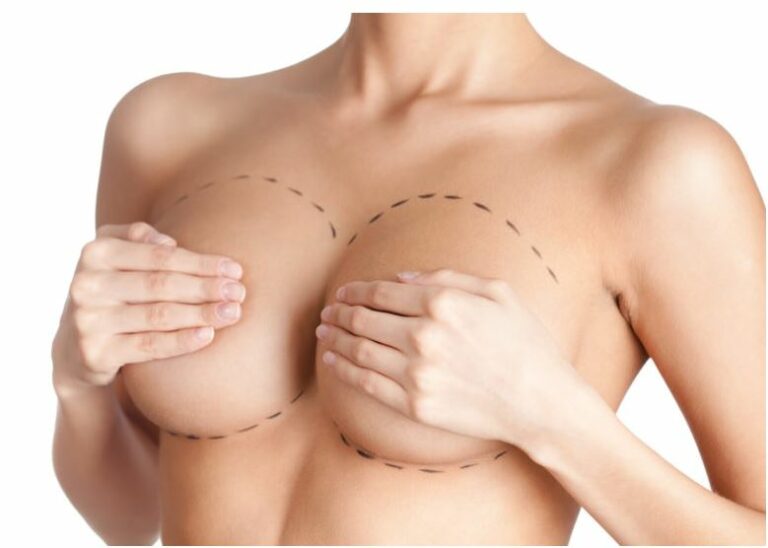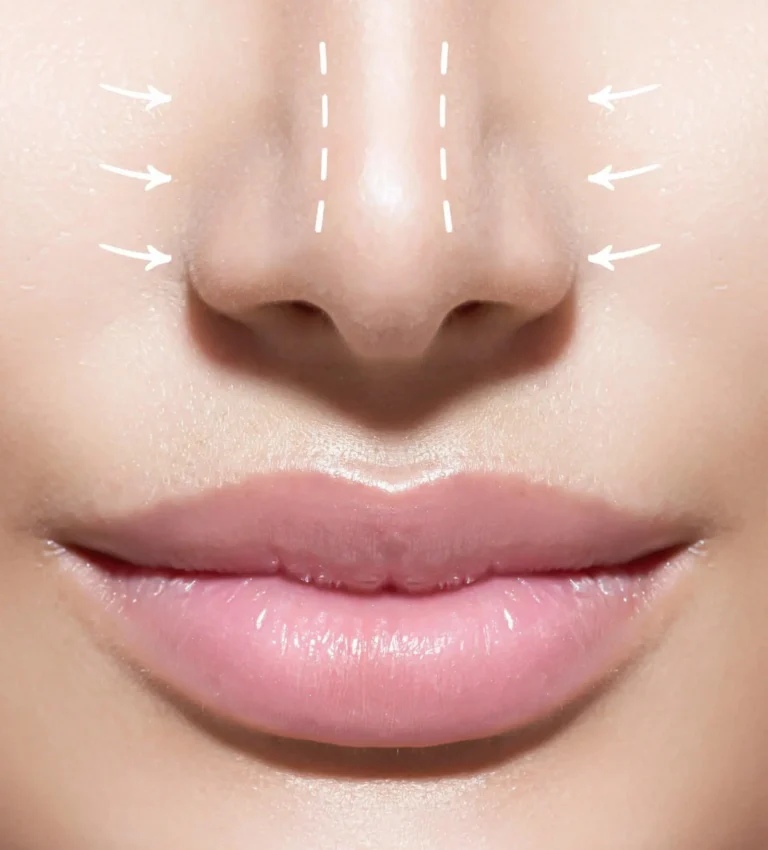


The global landscape of aesthetic medicine is undergoing a significant demographic shift, with a notable increase in the pursuit of cosmetic procedures among diverse ethnic groups. This trend is particularly evident in the rising rates of cosmetic surgery in non-white patients Tunisia, a destination that has distinguished itself by developing specialized expertise. Patients of African, Asian, Middle Eastern, and Hispanic descent are increasingly seeking surgeons who understand the unique anatomical features and aesthetic goals associated with their ethnicity. This movement goes beyond mere affordability, focusing on achieving natural-looking results that harmonize with one’s inherent beauty and cultural identity. Med Assistance facilitates this journey by connecting you with board-certified Tunisian clinics at the forefront of ethnic-specific cosmetic surgery.
Understanding Ethnic-Specific Cosmetic Surgery
Ethnic-specific cosmetic surgery is a specialized field that moves beyond a one-size-fits-all approach. It requires profound anatomical knowledge and surgical techniques tailored to diverse features. Surgeons must account for differences in skin thickness, cartilage structure, facial bone architecture, and healing patterns. For instance, skin of color has a higher melanin content, which influences scarring and pigmentation changes. A skilled surgeon plans incisions and employs techniques to minimize keloid or hypertrophic scar risks.
The core philosophy is enhancement, not Westernization. The goal is to refine features while preserving ethnic identity. This demands a nuanced understanding of cultural beauty standards. A successful ethnic rhinoplasty Tunisia procedure, for example, focuses on strengthening the nasal bridge and refining the tip without overly narrowing the nostrils. This maintains essential breathing function and a natural appearance. Similarly, Asian eyelid surgery Tunisia (blepharoplasty) can create a supratarsal fold while respecting the eyelid’s unique anatomy.
Choosing a clinic with this expertise is paramount. Med Assistance partners exclusively with surgeons who demonstrate proven experience in these specialized procedures. They utilize advanced technology and tailored surgical plans. This ensures outcomes that align with your personal vision. The cultural considerations aesthetic procedures demand are integral to the consultation process. Your surgeon will discuss your goals in depth, ensuring a shared understanding of the desired result that celebrates your individual heritage.
Ideal Candidates and Common Indications
Ideal candidates for ethnic cosmetic surgery are healthy individuals with realistic expectations. You should seek refinement of specific features, not a complete transformation. A thorough consultation will assess your candidacy, focusing on your unique anatomy and motivations. Common motivations include addressing hereditary traits, achieving better facial balance, or correcting functional issues like breathing difficulties. The rise in African American plastic surgery Tunisia and other demographics reflects a growing desire for personalized care.
Among the most sought-after procedures is ethnic rhinoplasty. Indications often include refining a broad or flat nasal bridge, improving nostril symmetry, or strengthening a weak nasal tip. For patients of African descent, surgeons frequently employ cartilage grafting techniques to build structure. Another prevalent procedure is blepharoplasty for patients of Asian descent. This can address a heavy upper eyelid that lacks a defined crease, sometimes improving the field of vision.
Procedures for skin of color cosmetic surgery also include facial contouring, such as cheek or chin augmentation. These procedures enhance definition while complementing natural bone structure. Lip reduction or augmentation is also common to achieve desired fullness and shape. Non-surgical treatments like laser therapy for hyperpigmentation require specific devices calibrated for darker skin tones to avoid complications. Tunisian clinics offer these specialized treatments at a fraction of Western costs.
Choosing Tunisia for your procedure offers exceptional value without compromising quality. You can expect savings of 50-70% compared to prices in the UK or Canada. A comprehensive cosmetic surgery package typically includes the procedure, hospital stay, surgeon and anesthetist fees, and often accommodation. For example, a complex rhinoplasty might cost around €2,500 in Tunisia, compared to €8,000+ in Western Europe. Surgery durations are similar to global standards, with rhinoplasty taking 1.5-3 hours and blepharoplasty about 1-2 hours, followed by a recommended stay of 7-10 days for initial recovery and follow-up. Med Assistance manages all logistics, ensuring a seamless and supported medical journey.
The Surgical Approach: Techniques and Considerations
For procedures on skin of color cosmetic surgery, the surgical approach is meticulously adapted. Surgeons prioritize techniques that minimize trauma to the dermis to reduce the risk of post-inflammatory hyperpigmentation or keloid scarring. Incisions are often placed within natural creases or mucosal areas. In body contouring, such as liposuction, careful attention is paid to ensure even fat removal to avoid skin irregularities, which can be more noticeable on darker skin tones. The understanding of subcutaneous fat distribution and skin elasticity variations across ethnicities is paramount for a smooth, natural outcome.
Facial procedures require an artist’s eye for balance. For African American plastic surgery Tunisia, techniques for rhinoplasty differ significantly. The focus is often on building up the nasal bridge using carefully sculpted cartilage grafts and refining a bulbous tip while preserving adequate nostril width for both aesthetics and function. In Asian eyelid surgery Tunisia, the surgeon’s expertise lies in creating a subtle supratarsal crease that looks natural, avoiding an overly « deep-set » Westernized look. This involves precise measurement and techniques that account for differing amounts of eyelid fat and skin. These nuanced approaches underscore the importance of choosing a surgeon whose skills are honed for your specific ethnic background.
Results, Recovery, and Cost Advantages in Tunisia
Choosing Tunisia for your ethnic-specific procedure offers a compelling combination of exceptional results and significant value. The recovery process is managed with a keen awareness of how skin of color heals. Post-operative care protocols often include specialized scar management treatments, such as silicone gels or sheets, and sun protection advice to prevent hyperpigmentation. The goal is a seamless recovery that leads to enhanced, culturally congruent beauty.
The cost advantage is substantial. Patients can access world-class ethnic rhinoplasty Tunisia or other specialized procedures at a fraction of the cost found in Western Europe or North America, without compromising on quality or safety. This affordability extends to the entire medical tourism package. Med Assistance ensures a seamless journey, handling logistics from clinic selection and accommodation to follow-up care. This allows you to focus entirely on your transformation and recovery in a supportive, professional environment, making the pursuit of your aesthetic goals both accessible and stress-free.
Frequently Asked Questions
Why is choosing a surgeon experienced with non-white patients important?
Surgeons experienced with diverse ethnicities understand unique anatomical structures, skin healing properties, and aesthetic goals, ensuring natural-looking results that harmonize with your ethnic features rather than erasing them. This specialized knowledge is critical for avoiding complications and achieving an outcome that respects your cultural identity.
Is cosmetic surgery in Tunisia safe for international patients?
Yes. Reputable Tunisian clinics catering to medical tourism adhere to international safety standards. It is crucial to choose an accredited facility with board-certified surgeons who specialize in ethnic procedures and offer comprehensive patient support, as facilitated by agencies like Med Assistance.
How do I communicate my aesthetic goals to a surgeon in Tunisia?
Clear communication is facilitated through detailed pre-consultation questionnaires, photo examples, and often the assistance of multilingual coordinators. Surgeons use advanced imaging software to simulate potential outcomes, ensuring you and your surgeon have a shared vision before any procedure begins.
Conclusion
The rising rates of cosmetic surgery in non-white patients Tunisia reflect a global shift towards personalized, culturally sensitive aesthetic care. Tunisia has emerged as a leading destination by mastering the techniques and cultural considerations aesthetic procedures demand. By choosing specialized expertise, patients achieve transformative yet authentic results. Explore your possibilities with confidence through our network of esteemed surgeons. Discover more about your options in our comprehensive guide to cosmetic surgery.
Contact Med Assistance for a free personalized quote.