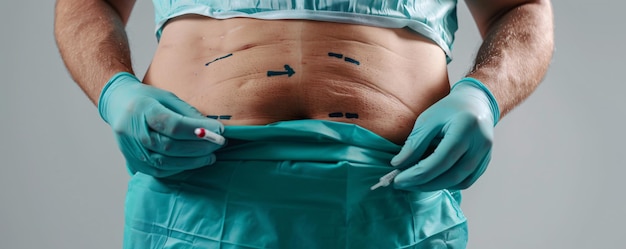
For many individuals, achieving significant weight loss, whether through bariatric surgery or newer weight loss medications like GLP-1 agonists, is a monumental health victory. However, this success can often be overshadowed by the physical reminder of excess, hanging skin, particularly on the abdomen. This condition, known as pannus, can lead to chronic skin infections, pain, and mobility issues, impacting your quality of life. Addressing these weight loss medication complications and post-surgical changes often requires a surgical solution. A panniculectomy, a procedure focused on removing this overhanging abdominal apron, becomes a crucial step in the complete body contouring journey after massive weight loss.
Combining this functional surgery with the advantages of medical tourism offers a compelling pathway. Countries like Tunisia provide access to highly qualified surgeons and modern facilities at a fraction of Western costs. Patients from the UK, Canada, and France can achieve savings of 50-70% on their total medical package, which typically includes the surgery, hospital stay, and aftercare. This makes transformative procedures financially accessible. Med Assistance facilitates this entire process, ensuring your safety and comfort from the initial consultation through your recovery.
What is a Panniculectomy? Definition and Principles
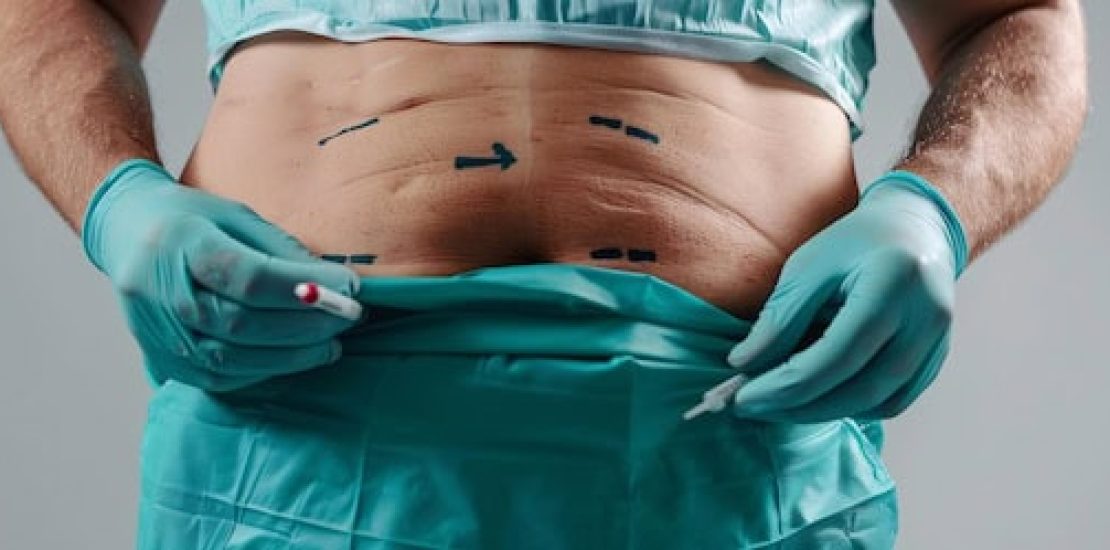
A panniculectomy is a specific surgical procedure designed to remove the pannus. The pannus is the large apron of excess skin and fat that hangs over the pubic area and thighs. This procedure is primarily functional, aiming to resolve medical issues caused by the skin fold. It differs from an abdominoplasty, or tummy tuck, which is more cosmetic and involves tightening muscles.
The core principle of a panniculectomy is the excision, or cutting away, of the overhanging tissue. The surgeon makes a horizontal incision low on the abdomen, typically from hip to hip. A second incision around the navel may be necessary to free it. The surgeon then removes the designated skin and fat layer, pulls the remaining skin taut, and closes the incisions.
This surgery directly addresses health problems linked to the pannus. Removing the heavy skin fold eliminates chronic moisture and friction. This prevents recurrent skin infections, rashes, and ulcerations. Patients often experience immediate relief from back pain and find physical activity easier. The procedure marks a critical phase in post bariatric surgery skin removal and body contouring after weight loss.
It is important to understand the scope of the operation. A panniculectomy focuses solely on skin removal. It does not typically repair separated abdominal muscles or reposition the navel for aesthetic refinement. For those seeking a more comprehensive result, surgeons often combine it with an abdominoplasty. You can explore the detailed nuances and see visual comparisons on our dedicated panniculectomy information page.
Ideal Candidates and Indications for the Procedure
Ideal candidates for a panniculectomy are adults who have achieved massive weight loss and stabilized their weight. This includes patients after bariatric surgery or those who have used weight loss drugs. You must be in good general health without uncontrolled medical conditions. Non-smokers, or those who can quit well before surgery, are significantly better candidates. This reduces surgical risks with GLP-1 agonists and other pathways to weight loss.
The primary indication for this surgery is medical necessity. Candidates suffer from functional impairments due to a large, hanging abdominal pannus. Common problems include chronic intertrigo, which is a skin inflammation in the folds. Patients also report persistent bacterial or fungal infections that resist topical treatment. The weight of the pannus can cause severe lower back pain and postural issues.
Difficulty with daily hygiene and mobility are strong indicators. The skin fold can make showering and toileting challenging. It can also restrict physical activity, hindering your ability to maintain weight loss. For many, the pannus causes clothing to fit poorly and limits wardrobe choices. These combined factors often lead to a decreased quality of life and emotional distress.
Your weight must be stable for at least six to twelve months prior to surgery. This stability is crucial for a lasting result and minimizes complications. Surgeons also look for patients with realistic expectations about the outcomes. The procedure leaves a permanent scar, though it is placed discreetly. Choosing a destination like Tunisia for your medical tourism for body lift procedures allows you to consult with experts who will assess your candidacy thoroughly. The total package, including surgery and a week-long hospital stay, often ranges between €2,200 and €2,950, representing substantial savings.
How the Panniculectomy Procedure Works
Following the initial low abdominal incision, the surgeon makes a second incision to free the upper edge of the pannus. The entire apron of excess skin and subcutaneous fat is then carefully dissected and removed. Unlike a full abdominoplasty, the underlying abdominal muscles are typically not tightened during a panniculectomy, as the primary goal is to eliminate the problematic skin fold. The surgeon then pulls the remaining skin taut, trims any excess, and re-drapes it to create a smoother contour. The navel (belly button) may be repositioned to appear natural. The procedure concludes with the placement of drainage tubes to prevent fluid accumulation and the closure of incisions with sutures, resulting in a long, horizontal scar that can often be concealed beneath underwear or a swimsuit.
This surgery, performed under general anesthesia, typically takes 2 to 5 hours depending on the amount of tissue removed. It is a major operation requiring a hospital stay of 1 to 3 nights. For patients who have undergone massive weight loss, a panniculectomy is often a foundational procedure in a broader body contouring after weight loss plan. It may be combined with other surgeries like thigh lifts or arm lifts in a staged approach to comprehensively address excess skin. Choosing a surgeon experienced in post-bariatric anatomy is paramount for a safe and effective outcome.
Results, Recovery Timeline and Prices in Tunisia
The initial results of a panniculectomy are immediately visible, with the heavy, overhanging apron permanently removed. Final results emerge as swelling subsides and scars mature over 12 to 18 months. Patients experience significant relief from skin irritation, infections, and pain, alongside improved mobility and hygiene. The recovery timeline is structured: the first 1-2 weeks involve rest with limited mobility, managing drains and discomfort. Light activities can resume after 2-3 weeks, with a full return to normal activities, including exercise, after 6-8 weeks. Strict adherence to your surgeon’s aftercare instructions is vital for optimal healing and minimizing surgical risks with GLP-1 agonists or post-bariatric states, such as delayed wound healing.
Opting for a medical tourism for body lift procedure in Tunisia presents exceptional value. The country’s renowned clinics specialize in post-weight loss contouring, offering carefully selected partner facilities and surgeons with extensive experience in panniculectomy and circumferential body lifts. The all-inclusive price for a panniculectomy in Tunisia typically ranges from €2,200 to €2,950. This package often covers the surgery, hospital fees, anesthesia, surgeon’s fees, medical tests, and a period of aftercare. This represents savings of 40-60% compared to equivalent care in Western Europe or North America, making the final step in your transformation both high-quality and financially accessible.
Frequently Asked Questions
Can panniculectomy address skin issues caused by weight loss medications like GLP-1 agonists?
Yes, absolutely. A panniculectomy is specifically designed to remove the excess, hanging abdominal skin (pannus) that often remains after rapid weight loss, whether from medication, surgery, or lifestyle changes. It directly resolves the functional problems caused by this skin, such as chronic irritation, rashes, and infections, which are common weight loss medication complications.
What are the main surgical risks associated with combining weight loss drugs and surgery?
Key risks include potential impacts of the medication on anesthesia, slower wound healing due to rapid weight loss and possible nutritional deficiencies, and a higher risk of seroma (fluid buildup). A thorough pre-operative assessment by your surgeon in Tunisia, including a review of your medication history and nutritional status, is crucial to mitigate these risks and ensure a safe procedure.
Why choose Tunisia for a panniculectomy after significant weight loss?
Tunisia offers a compelling combination of highly qualified plastic surgeons specializing in post bariatric surgery skin removal, modern medical facilities accredited to international standards, and costs typically 40-60% lower than in Western Europe or North America. This all occurs within a structured medical tourism framework, with agencies like Med Assistance managing logistics, transfers, and accommodation for a seamless experience.
Conclusion
A panniculectomy is the definitive solution to remove excess abdominal skin, completing your journey after bariatric surgery or significant weight loss from medications. It alleviates physical discomfort and restores confidence. By choosing Tunisia for your tummy tuck after weight loss drugs or panniculectomy, you access world-class surgical expertise and dramatic cost savings without compromising on safety or quality. Take the next step towards a more comfortable and contoured you.
Contact Med Assistance for a free personalized quote.