

The global landscape of aesthetic medicine is undergoing a significant transformation, marked by the rising rates of cosmetic surgery in non-white patients. This trend reflects a growing desire for procedures that honor and enhance unique ethnic features rather than conforming to a single, monolithic beauty ideal. Tunisia, with its advanced medical infrastructure and deep understanding of diverse patient profiles, has emerged as a leading destination for individuals from the African diaspora and beyond. This evolution underscores the importance of specialized surgical approaches and cultural sensitivity in achieving natural, harmonious results that align with one’s heritage.
Understanding Ethnic-Specific Cosmetic Surgery
Ethnic-specific cosmetic surgery is a specialized field. It focuses on the anatomical and structural characteristics common to different ethnicities. Surgeons must possess a deep knowledge of variations in skin thickness, cartilage structure, and facial bone architecture. This expertise is crucial for procedures like ethnic rhinoplasty in Tunisia, which requires a distinct approach compared to traditional techniques.
The goal is never to erase ethnic identity. It is to refine and balance features while preserving cultural authenticity. For patients with skin of color, specific considerations are paramount. Surgeons must account for higher risks of hyperpigmentation or keloid scarring. Tailored techniques and meticulous post-operative care are essential to minimize these concerns and ensure optimal healing.
Choosing a clinic experienced in multicultural patient care is vital. These centers understand the nuanced desires of a global clientele. They foster an environment where your aesthetic goals are discussed with respect and understanding. This cultural competence builds trust and leads to more satisfying outcomes for every patient.
Med Assistance partners exclusively with Tunisian surgeons who are pioneers in this field. They combine international training with a profound appreciation for ethnic diversity. This ensures your procedure is not just technically excellent but also culturally attuned. You receive care that respects your individual background and aspirations.
Ideal Candidates and Common Procedures
Ideal candidates are in good general health and have realistic expectations. They seek enhancement that complements their natural ethnic features. A detailed consultation is the first step. During this meeting, you will discuss your goals, medical history, and any specific concerns related to your skin type or anatomy. This collaborative process is key to planning a successful procedure.
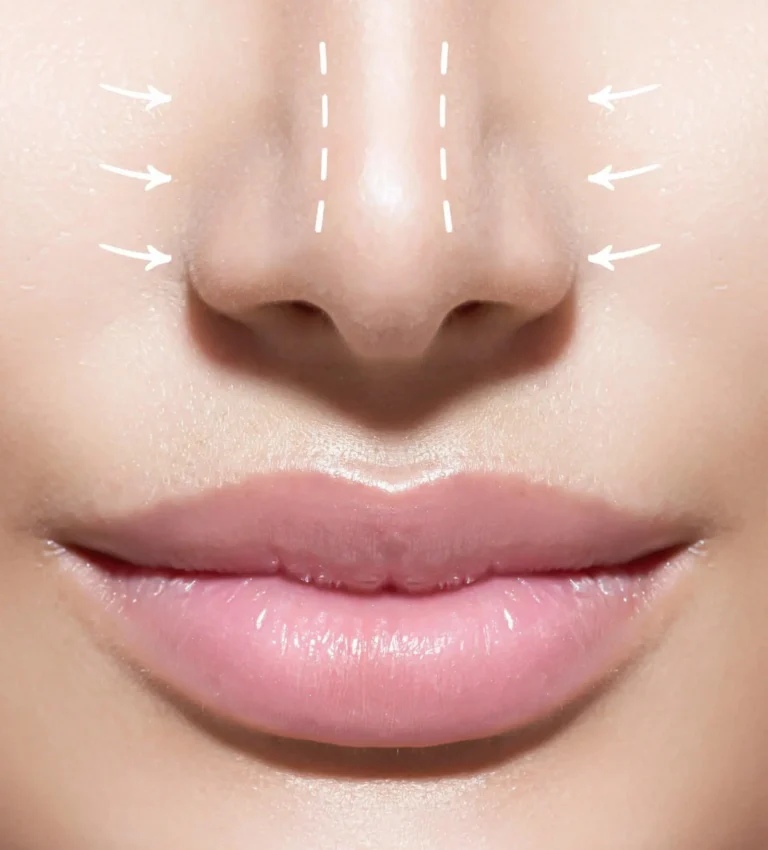
For many patients of African, Middle Eastern, or Asian descent, ethnic rhinoplasty is a primary request. This procedure often addresses a wider nasal bridge, thicker skin, and softer cartilage. The surgeon’s skill lies in refining the nose’s shape while ensuring it remains in harmonious proportion with other facial features. The result is a natural-looking enhancement that boosts confidence.
Procedures for skin of color cosmetic surgery also frequently include liposuction and body contouring. These address fat distribution patterns that can be genetically influenced. Facial procedures like blepharoplasty (eyelid surgery) and otoplasty (ear surgery) are also popular. Each plan is customized to your unique physique and desired outcome.
Undergoing surgery in Tunisia offers exceptional value without compromising quality. Patients can achieve savings of 50-70% compared to prices in the UK or Canada. A complex rhinoplasty procedure, for example, can cost approximately €2,200 to €2,600 in Tunisia. This same surgery might exceed €8,000 in Western Europe. The duration of your stay typically ranges from 7 to 10 days, including surgery and initial recovery under medical supervision. To explore the full range of options, review our complete guide to cosmetic surgery procedures and packages.
The Surgical Approach for Multicultural Patients
Performing cosmetic surgery on multicultural patients requires a refined, bespoke methodology. Surgeons specializing in this field move beyond standardized techniques to adopt a highly individualized plan. This begins with a comprehensive consultation that explores not just anatomical goals, but also the patient’s cultural background and personal definition of beauty. For procedures like ethnic rhinoplasty in Tunisia, this means analyzing nasal skin thickness, cartilage strength, and nostril shape to plan a surgery that refines without distorting the nose’s inherent ethnic character.
The approach for patients with skin of color is particularly meticulous. Surgeons utilize specialized instruments and modified techniques to minimize trauma to the delicate dermal layers, thereby reducing the risk of post-inflammatory hyperpigmentation or keloid formation. Incisions are often strategically placed within natural creases or less visible areas. The understanding of how darker skin heals and scars is integral to the surgical protocol, influencing everything from suture choice to the application of specific post-operative treatments like silicone gels or targeted laser therapies to ensure even, flawless healing.
This level of multicultural patient care extends to all facial and body procedures. Whether performing a blepharoplasty that respects the unique eyelid anatomy of Asian patients or body contouring that accounts for different fat distribution patterns, the principle remains the same: enhancement through preservation. Tunisian clinics at the forefront of this trend invest in continuous training for their surgical teams, ensuring they are versed in the latest global techniques for diverse ethnicities, making Tunisia a hub for thoughtful, culturally-attuned aesthetic medicine.
Results, Recovery & Cost Advantages in Tunisia
The ultimate goal of ethnic-conscious cosmetic surgery is a result that appears naturally harmonious, enhancing the patient’s confidence while respecting their heritage. In Tunisia, achieving this outcome is supported by a robust framework for recovery and a significant economic advantage. The recovery process is closely monitored, with specific protocols for skin of color to manage swelling and prevent discoloration. Patients receive detailed guidance on sun protection, which is critical for darker skin tones, and the use of specialized topical agents to promote optimal scar healing.
Choosing Tunisia for your procedure offers a compelling value proposition without compromising on quality. The country’s rising rates of cosmetic surgery in non-white patients have driven clinics to develop exceptional expertise and infrastructure tailored to a global clientele. Patients benefit from surgeons who are often dual-trained in European precision and the nuanced techniques required for ethnic features. This expertise, combined with the lower operational costs in Tunisia, translates into fees that are typically 40% to 60% less than those in Western Europe or North America.
This cost advantage encompasses the entire package: surgeon’s fees, modern hospital or clinic facilities, anesthesia, and often accommodation. It allows patients to access world-class multicultural patient care and procedures like ethnic rhinoplasty in Tunisia that might otherwise be financially out of reach. The investment covers not just the surgery itself, but a comprehensive care journey in a country renowned for its medical tourism hospitality, ensuring peace of mind and a focus solely on healing and transformation.
Frequently Asked Questions
Is cosmetic surgery in Tunisia safe for patients with darker skin tones?
Yes, absolutely. Safety and efficacy for patients with darker skin are paramount in leading Tunisian clinics. Surgeons with specific experience in ethnic skin utilize refined techniques designed to minimize risks such as keloid scarring and hyperpigmentation, which are more common in skin of color. Pre-operative assessments and tailored post-operative care plans are standard to ensure beautiful, healthy results.
What is the main difference with ethnic rhinoplasty?
The core difference lies in the surgical philosophy. While traditional rhinoplasty often aims to thin, elevate, and dramatically reshape the nose, ethnic rhinoplasty focuses on refinement while preserving ethnic identity. The goal is to balance proportions—for example, refining a bulbous tip or subtly narrowing nostrils—while often strengthening the nasal structure to maintain its distinctive character and ensure natural-looking results that harmonize with other facial features.
Why choose Tunisia for this type of surgery?
Tunisia presents a unique and advantageous destination. It combines highly-skilled surgeons trained in both European and specialized ethnic techniques with significantly lower costs compared to the West. The country has developed a growing, recognized expertise in multicultural patient care, offering modern medical facilities and a compassionate understanding of the aesthetic goals of patients from the African diaspora and beyond, all within a accessible and welcoming environment.
Conclusion
The rising rates of cosmetic surgery in non-white patients highlight a powerful shift towards personalized aesthetic enhancement. Tunisia stands as a beacon for this movement, offering specialized expertise in procedures like ethnic rhinoplasty and dedicated care for skin of color. By choosing a destination that prioritizes cultural understanding and surgical precision, patients can achieve their aesthetic goals with confidence, preserving their unique beauty while enjoying world-class medical care and significant cost advantages. Explore your possibilities with a trusted partner in medical tourism.
Contact Med Assistance for a free personalized quote.