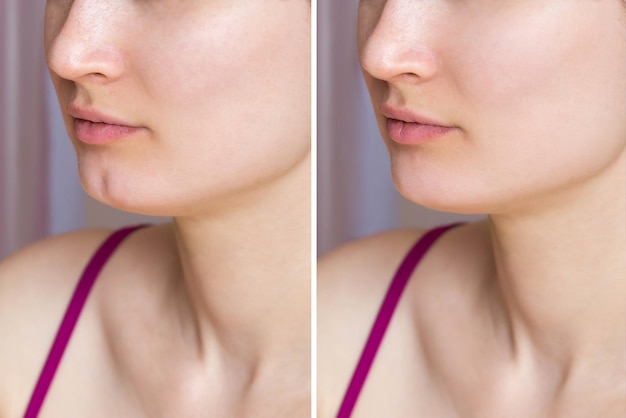
For individuals seeking a natural and lasting solution to facial volume loss, facial fat grafting offers a compelling alternative to synthetic fillers. This advanced procedure, also known as autologous fat transfer, utilizes your body’s own tissue to restore youthful contours. When considering this treatment, understanding the facial fat grafting long term results Tunisia is crucial for making an informed decision. The longevity of the grafted fat is a key advantage, with a significant portion of the transferred volume often integrating permanently. Choosing a specialized clinic in Tunisia for your procedure allows you to access world-class surgical expertise while benefiting from substantial cost savings, often between 50% and 70% compared to prices in the United Kingdom or Canada. Med Assistance supports you throughout this journey, ensuring a seamless medical tourism experience from initial consultation to aftercare.
What is Facial Fat Grafting? Definition and Principles
Facial fat grafting is a sophisticated surgical technique designed to restore volume and rejuvenate the face. It is a two-part procedure that harvests, purifies, and re-injects your own adipose tissue. This method provides a completely biocompatible filler, eliminating risks of allergic reactions. The principle relies on using your body’s natural resources to achieve a subtle, natural-looking enhancement.
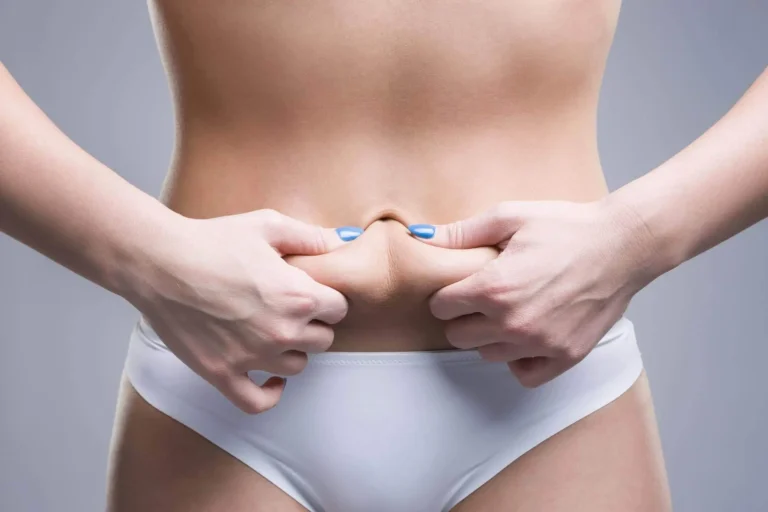
The procedure begins with a gentle liposuction to collect fat from a donor site. Common donor areas include the abdomen, thighs, or flanks. The harvested fat is then meticulously processed and purified. This crucial step prepares the fat cells for transfer by removing oils and fluids. The goal is to obtain a concentrated sample of viable fat cells for injection.
Your surgeon then strategically injects the purified fat into targeted areas of the face. Precise micro-droplet techniques are essential for optimal survival of the fat cells. The grafted fat establishes a new blood supply in its new location, a process called neovascularization. This integration is what allows for the remarkable fat grafting longevity that patients experience, differentiating it from temporary fillers.
This procedure effectively addresses multiple signs of aging in a single session. It is a cornerstone of modern facial rejuvenation strategies. The results are not just about adding volume but about recreating the natural facial architecture lost over time. Patients appreciate the dual benefit of contouring a donor area while rejuvenating their face.
Ideal Candidates and Indications for Fat Transfer
Ideal candidates for facial fat transfer are generally in good health and have realistic expectations. They experience age-related volume loss but retain good skin elasticity. Having adequate donor fat reserves is another important prerequisite. This procedure is particularly suited for those seeking a natural, long-term solution rather than temporary fixes.
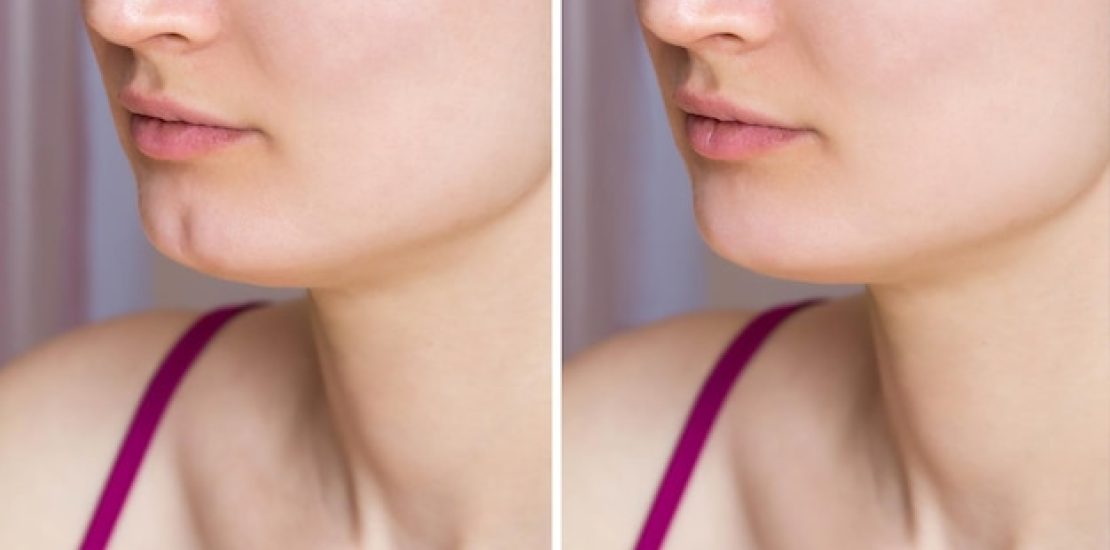
Primary indications include restoring volume in the mid-face, a common area of deflation. Cheek augmentation with fat can dramatically lift and support the entire facial structure. This approach can soften deep nasolabial folds and marionette lines. It effectively combats the hollowed, tired appearance that comes with volume loss.
The procedure is also excellent for rejuvenating the under-eye area and temples. It can enhance lip volume with exceptionally natural-looking results. Surgeons use fat grafting to improve the appearance of acne scars or other contour irregularities. For many, it serves as a natural facelift Tunisia alternative or a complementary procedure to a surgical lift.
The treatment is not recommended for individuals seeking significant weight loss post-procedure. Significant weight fluctuations can affect the long-term results of the grafted fat. A stable weight ensures the transferred volume remains consistent. A thorough consultation with your Med Assistance surgeon will determine your specific candidacy.
Choosing Tunisia for your fat transfer face procedure combines high-quality care with exceptional value. The typical duration of the surgery ranges from 1.5 to 3 hours, often under local anesthesia with sedation. Patients can expect a comprehensive package, including clinic stay and surgeon fees, at a fraction of Western European or North American prices. Med Assistance coordinates every detail, from selecting your accredited clinic to arranging recovery accommodation, ensuring your focus remains on achieving beautiful, lasting facial volume restoration.
How the Facial Fat Grafting Procedure Works
The facial fat grafting procedure is a meticulous, artful process that unfolds in several key stages, all typically performed under local or general anesthesia in a single session. Following the initial harvesting and purification detailed earlier, the artistry of the surgeon comes to the forefront during the reinjection phase.
Using fine cannulas, the surgeon strategically places micro-droplets of the purified fat into the targeted facial areas. This precise placement is paramount for the fat grafting longevity. The fat cells must be deposited in thin layers within the facial tissues to maximize their surface area contact with your blood supply. Common treatment zones include the cheeks for cheek augmentation with fat, the nasolabial folds, the temples, the lips, and under the eyes. This technique of structural facial volume restoration builds a natural scaffolding, lifting and supporting the overlying skin for what is often described as a natural facelift Tunisia effect.
The entire procedure usually takes between 1.5 to 3 hours, depending on the extent of treatment. Because it is autologous (using your own tissue), the risk of allergic reaction is virtually eliminated, and the results feel completely natural to the touch. The goal is not to overfill, but to artfully replenish lost volume, creating a refreshed and rejuvenated appearance that is uniquely yours.
Long-Term Results, Recovery, and Prices in Tunisia
Understanding the recovery process is key to achieving the optimal facial fat grafting long term results Tunisia offers. Immediately after the procedure, you can expect some swelling, bruising, and tenderness at both the donor and recipient sites. Most patients feel comfortable returning to social activities within 10-14 days as visible swelling subsides, revealing initial improvements.
The true, final outcome evolves over the following 3 to 6 months. During this critical period, the body naturally reabsorbs a portion of the transferred fat cells that do not establish a new blood supply. This is a normal part of the process, and skilled surgeons account for this by slightly overcorrecting during the procedure. The fat cells that successfully « take » become a permanent part of your facial anatomy. They will age naturally with you and can fluctuate slightly with weight changes, but the restored volume framework is long-lasting. This permanence is a defining advantage over temporary synthetic fillers.
When performed in Tunisia by a qualified plastic surgeon, this advanced procedure becomes remarkably accessible. The all-inclusive cost for facial fat grafting in Tunisia typically ranges from €2,500 to €3,800. This package often covers the surgery, hospital fees, surgeon’s fees, anesthesia, and sometimes even accommodation and transfers. This represents exceptional value, providing premium care and fat transfer face results at a fraction of the cost found in many Western European countries.
Frequently Asked Questions
How long do the results of facial fat grafting last?
Once the transferred fat cells establish a new blood supply—a process typically complete within 3-6 months—the volume restoration is considered permanent. While a percentage of fat is naturally reabsorbed during the initial healing, the surviving fat cells integrate permanently. They will behave like normal fat, fluctuating slightly with overall weight changes but providing long-term structural enhancement.
Is a fat transfer to the face safer than synthetic fillers?
Yes, autologous fat transfer is generally considered safer in terms of biocompatibility. It uses your body’s own tissue, eliminating risks of allergic reaction or rejection associated with foreign substances. It also offers a more natural feel and potentially permanent, stable results, unlike fillers which require repeat treatments every 6-18 months to maintain volume.
Why choose Tunisia for facial fat grafting?
Tunisia combines highly skilled, internationally trained plastic surgeons operating in modern, carefully selected partner clinics with significantly lower costs. This allows patients to access premium facial fat grafting long term results and comprehensive care, including personalized support from agencies like Med Assistance for accommodation and transfers, at an affordable all-inclusive price.
Conclusion
Facial fat grafting stands as a superior, long-term solution for volume loss, offering natural, lasting results by harnessing your body’s own resources. Choosing to undergo this procedure in Tunisia with the support of Med Assistance provides a seamless pathway to exceptional care and significant value. You gain access to expert surgeons and achieve a rejuvenated, youthful contour with the confidence of comprehensive support throughout your medical journey. Discover more about our facial rejuvenation programs.
Contact Med Assistance for a free personalized quote.