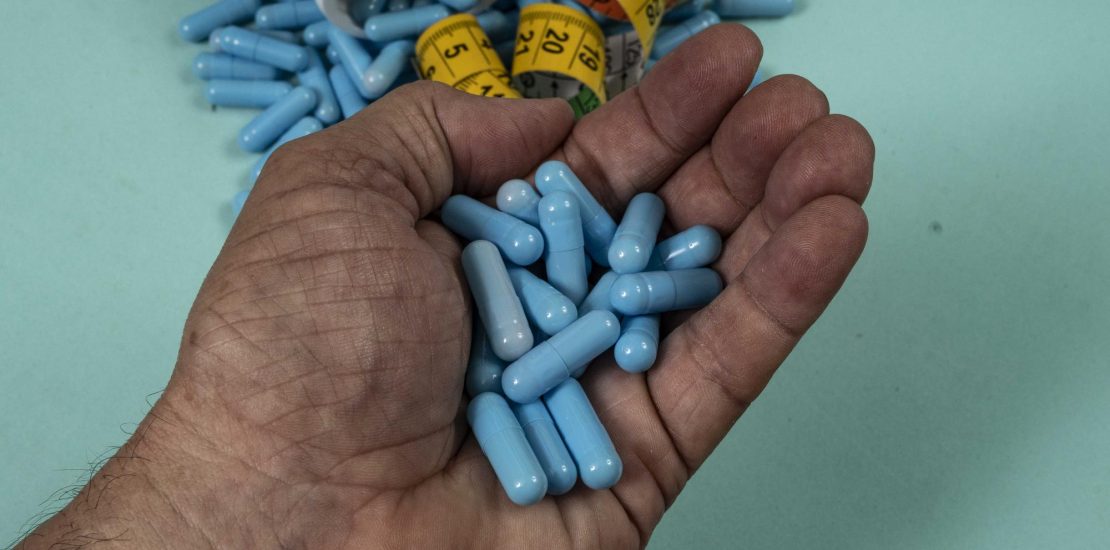
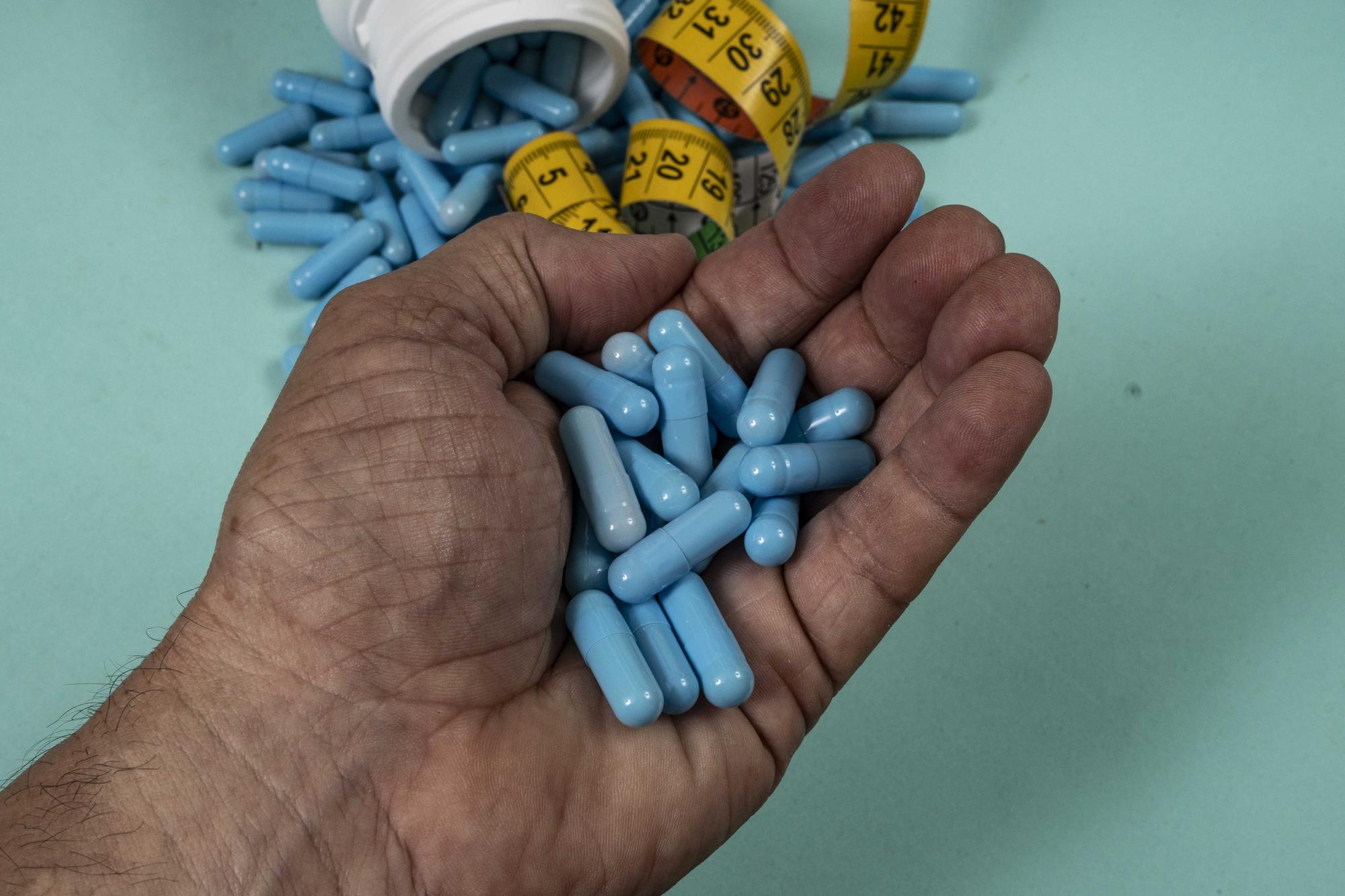
If you have lost a significant amount of weight with the help of modern medications, you may be left with excess skin that no amount of exercise can remove. This is where a panniculectomy becomes a vital solution. However, understanding the relationship between weight loss drugs panniculectomy complications Tunisia is crucial for your safety and results. Many patients using GLP-1 agonists like Ozempic achieve dramatic weight loss, but this rapid change can increase surgical risks. At Med Assistance, we guide you through selecting a clinic in Tunisia that specializes in managing these specific challenges, ensuring your journey is both safe and cost-effective.
What Is Panniculectomy? Definition and Principles
A panniculectomy is a surgical procedure designed to remove the pannus—the apron of excess skin and fat that hangs down from the lower abdomen. This is distinct from a tummy tuck, as a panniculectomy focuses solely on excision without tightening the underlying abdominal muscles. The primary goal is functional relief, not cosmetic enhancement.
The procedure is often medically necessary. A hanging pannus can cause chronic skin infections, rashes, back pain, and difficulty walking. Surgery removes this tissue to improve hygiene, mobility, and overall quality of life. The incision typically runs from hip to hip, and the length depends on the amount of skin removed.
Recovery time is significant. Most patients need 4 to 6 weeks before returning to normal activities. Swelling and discomfort are common, but complications are manageable with proper care. The risk of seroma (fluid accumulation) or wound dehiscence increases if you have used weight loss drugs panniculectomy complications Tunisia are not properly addressed. That is why choosing an experienced surgeon is critical.
Med Assistance partners with accredited Tunisian hospitals that follow strict protocols for patients with a history of weight loss medication. These clinics offer comprehensive pre-operative assessments to evaluate your specific risk profile.
Ideal Candidates and Indications for Panniculectomy
You are an ideal candidate for panniculectomy if you have maintained a stable weight for at least 6 to 12 months. This is especially important if you achieved weight loss through weight loss drugs panniculectomy complications Tunisia are a real concern. Rapid weight loss from medications like Ozempic can leave skin with poor elasticity, increasing surgical risks.
Medical indications include chronic intertrigo (skin infections) under the pannus, persistent rashes, or difficulty with personal hygiene. Functional issues like lower back pain from the weight of the apron also qualify. You should be non-smoker or willing to quit, as smoking dramatically impairs healing.
Your body mass index (BMI) should ideally be below 35. Higher BMIs correlate with more complications. You must also have realistic expectations. A panniculectomy removes hanging skin but does not address stretch marks or muscle laxity. It is a functional surgery, not a cosmetic one.
If you have used GLP-1 medications, you must disclose this to your surgeon. These drugs can slow gastric emptying and affect anesthesia. Your surgeon may adjust your medication schedule before surgery to minimize risks. Med Assistance ensures your Tunisian clinic follows these safety protocols, including temporary cessation of weight loss drugs before the procedure.
The cost difference is substantial. In Tunisia, a panniculectomy ranges from €2,500 to €2,950, saving you 50-70% compared to the UK or Canada. This includes hospital stay, surgeon fees, and follow-up care. For more details on the procedure and pricing, visit our panniculectomy page.
How the Panniculectomy Procedure Works
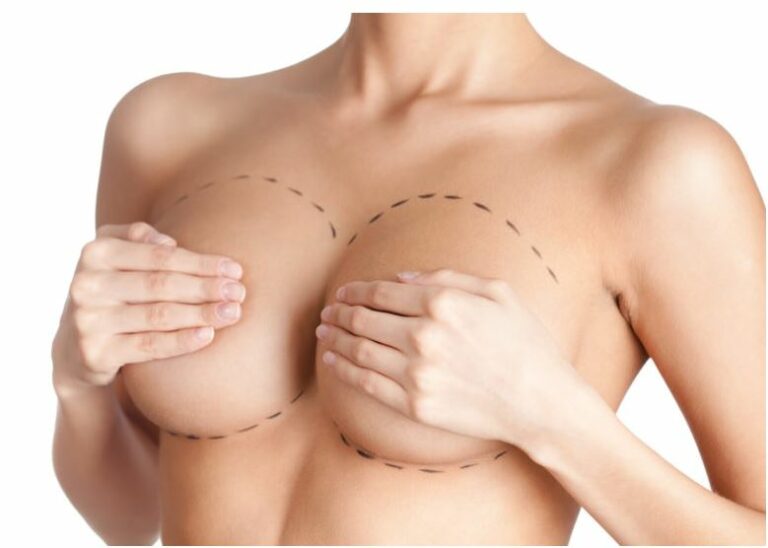
The panniculectomy procedure is performed under general anesthesia and typically takes 2 to 4 hours, depending on the amount of tissue to be removed. Before surgery, your surgeon will mark the incision lines while you are standing, as the pannus hangs differently when upright. The incision is usually made low on the abdomen, from hip to hip, following the natural crease. This allows the scar to be hidden under underwear or swimwear.
During the surgery, the surgeon carefully removes the excess skin and fat of the pannus. The underlying muscles are not tightened, which differentiates this from an abdominoplasty. However, the surgeon may need to reposition the belly button if the pannus extends below it. The incision is then closed in layers using dissolvable sutures, and drains are often placed to prevent fluid accumulation, known as seroma.
For patients who have used weight loss drugs panniculectomy complications Tunisia are a key concern. Surgeons in Tunisia take extra precautions with these patients. They may adjust the surgical technique, use special closure methods, and prescribe antibiotics to reduce infection risk. The procedure also includes careful monitoring of blood sugar levels, as GLP-1 drugs can affect glucose metabolism.
After surgery, you will be taken to a recovery room where nurses monitor your vital signs. You will likely stay in the hospital for 1 to 2 days. Drains remain in place for several days to a week. Compression garments are worn to support healing and reduce swelling. It is essential to follow your surgeon’s instructions for wound care and activity restrictions to minimize panniculectomy safety risks.
Results, Recovery and Panniculectomy Cost in Tunisia
Results from a panniculectomy are immediate and life-changing. Patients report relief from chronic rashes, improved mobility, and enhanced self-confidence. However, final results take months to appear as swelling subsides and scars mature. The scar will fade over time but will remain visible. Most patients are satisfied with the functional and aesthetic improvement, especially after significant weight loss.
Recovery is a gradual process. The first week is the most challenging, with pain, swelling, and limited mobility. You will need help with daily tasks. Walking is encouraged to prevent blood clots, but strenuous activity is prohibited for 6 to 8 weeks. Drains are removed when output is low, typically within 1 to 2 weeks. Follow-up appointments are crucial to monitor for complications like seroma or wound dehiscence, which are more common in patients with a history of weight loss medication surgery complications.
Regarding tunisia panniculectomy cost, it is one of the most attractive aspects of medical tourism. The average cost ranges from €2,500 to €2,950, which includes the surgeon’s fee, anesthesia, hospital stay, and follow-up care. This is significantly lower than the €8,000 to €12,000 charged in European countries. However, you must ensure the clinic has experience with patients who have used weight loss drugs. Med Assistance only partners with clinics that demonstrate expertise in panniculectomy after glp-1 therapy, ensuring your safety and optimal results.
Additional costs to consider include flights, accommodation, and post-operative garments. Tunisia offers affordable options for all of these. The total package, including travel, often remains under €6,000, making it a cost-effective choice for high-quality care. Always request a detailed quote that includes all fees to avoid surprises.
Frequently Asked Questions
Can I have panniculectomy while taking Ozempic or other GLP-1 drugs?
Doctors recommend stopping GLP-1 medications 2 to 4 weeks before surgery to reduce complications like delayed wound healing and infection. These drugs can slow gastric emptying, which increases the risk of aspiration during anesthesia. Always consult your surgeon and your prescribing doctor for a personalized plan. Never stop medication without medical supervision.
What are the most common panniculectomy complications related to weight loss drugs?
Patients using weight loss drugs face a higher risk of seroma (fluid buildup), wound dehiscence (opening of the incision), infection, and poor scarring due to impaired tissue healing. GLP-1 agonists can affect collagen production and blood flow, making tissues more fragile. Choosing a surgeon experienced with ozempic panniculectomy risk management is essential to minimize these complications.
How much does panniculectomy cost in Tunisia compared to Europe?
Tunisia panniculectomy cost ranges from €2,500 to €2,950, significantly lower than €8,000 to €12,000 in Europe. However, ensure the clinic has experience with post-weight loss medication patients. Med Assistance vets all partner clinics for their expertise in managing weight loss drugs panniculectomy complications Tunisia, so you receive safe, affordable care.
Conclusion
Choosing a panniculectomy after significant weight loss from medications like Ozempic can transform your health and quality of life. Understanding the link between weight loss drugs panniculectomy complications Tunisia helps you make informed decisions. With Med Assistance, you access top Tunisian surgeons who specialize in these complex cases, ensuring safety, excellent results, and significant cost savings. Learn more about panniculectomy or Contact Med Assistance for a free personalized quote.