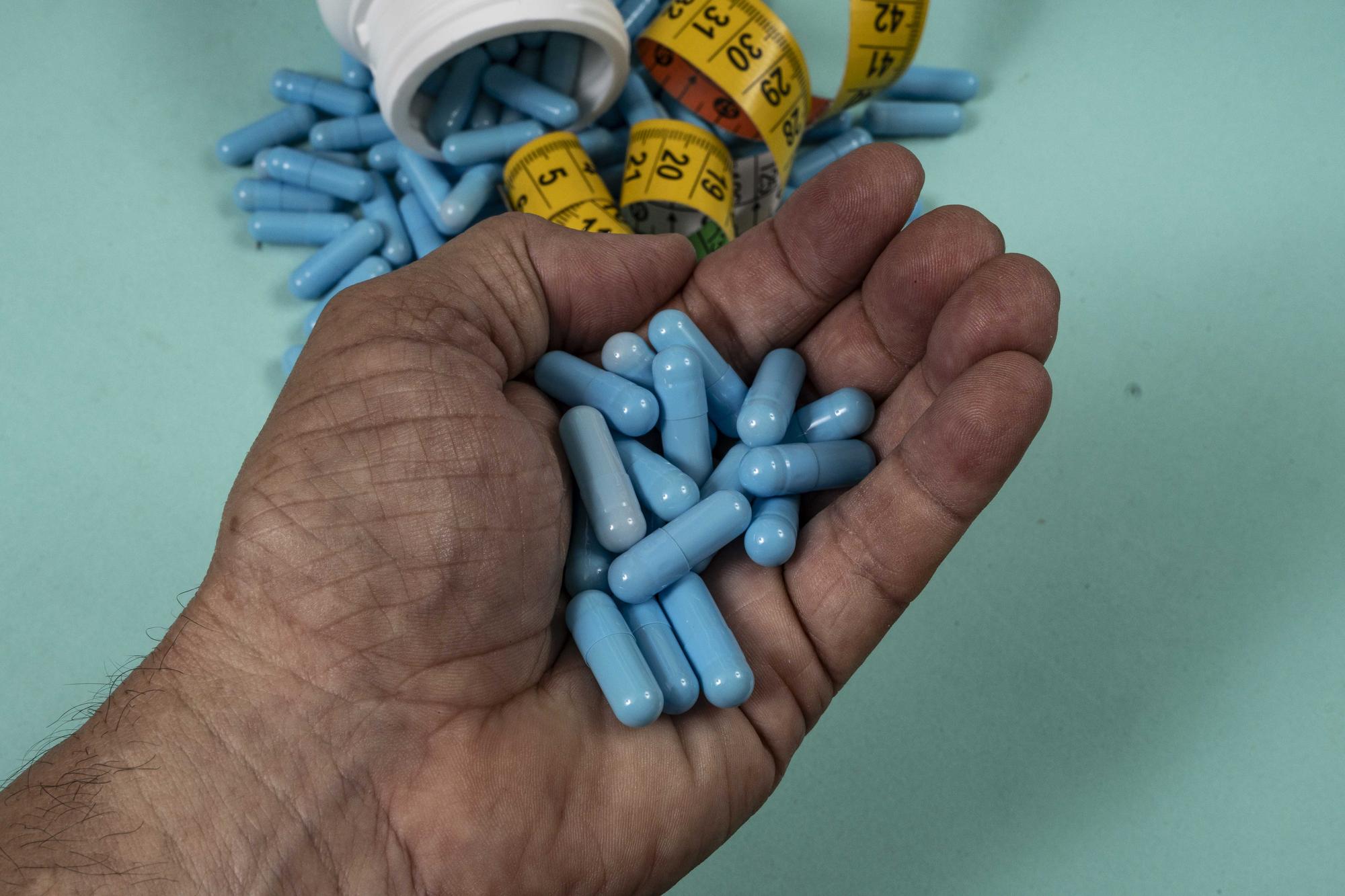
If you are considering a panniculectomy after massive weight loss, you must understand the specific risks involved, especially when weight loss medications like Ozempic are part of your journey. A panniculectomy complications weight loss drugs Tunisia connection is increasingly important for patients seeking affordable care abroad. Many patients now use GLP-1 agonists before surgery, which can affect anesthesia, healing, and bleeding. At Med Assistance, we guide you through safe surgical tourism, ensuring you choose a clinic that manages these medications properly.
What Is a Panniculectomy? Definition and Key Principles
A panniculectomy is a surgical procedure that removes the pannus—an apron of excess skin and fat hanging from the lower abdomen. This is not a tummy tuck. It focuses solely on excising the overhanging tissue, often after massive weight loss from bariatric surgery or weight loss drugs. The goal is to relieve physical discomfort, skin infections, and hygiene issues.
The surgery typically takes 2 to 4 hours under general anesthesia. Surgeons make a horizontal incision low on the abdomen, removing the pannus and closing the wound in layers. Recovery requires drains and compression garments for several weeks. The procedure does not tighten abdominal muscles, which distinguishes it from an abdominoplasty.
Patients choosing Tunisia for panniculectomy can save 50-70% compared to UK or Canada costs. For example, a panniculectomy in Tunisia averages €3,500 to €5,500, versus €8,000 to €15,000 in Western countries. This makes Tunisia a popular destination for post-bariatric body contouring, but you must consider how weight loss medication interacts with surgery.
Ideal Candidates for Panniculectomy: Indications and Considerations
You are an ideal candidate for panniculectomy if you have maintained a stable weight for at least 6 months. This is critical because weight loss drugs like Ozempic or Wegovy can cause ongoing weight fluctuations. Surgeons in Tunisia require proof of weight stability to minimize panniculectomy complications. If you use GLP-1 drugs, you may need to pause them 2-4 weeks before surgery to reduce anesthesia risks.
Other indications include chronic skin infections, rashes, or pain under the pannus. You should also have realistic expectations: the scar is permanent and extends from hip to hip. Non-smokers heal better, and you must commit to a recovery period of 4-6 weeks. Med Assistance can help you find accredited clinics in Tunisia that screen for these factors.
Considerations for patients on weight loss medication include delayed gastric emptying, which increases aspiration risk during anesthesia. Your surgeon must know your full medication history. Post-bariatric panniculectomy Tunisia patients often combine this surgery with other body contouring procedures, like arm lifts or thigh lifts, to achieve comprehensive results. Always discuss your medication timeline with your surgeon to avoid complications.
For more details on this procedure, visit our panniculectomy information page.
How the Panniculectomy Procedure Works: Step by Step
The panniculectomy procedure begins with a thorough preoperative assessment, including blood work and an anesthesia consultation. If you are using weight loss drugs like Ozempic, your surgeon will likely require you to stop them 2-4 weeks before surgery to minimize risks. On the day of surgery, you receive general anesthesia. The surgeon marks the incision line low on your abdomen, typically from hip to hip, following the natural crease. A vertical incision may be added if the pannus is very large or asymmetric.
Once the incision is made, the surgeon dissects the pannus from the underlying fascia. This step involves careful hemostasis to control bleeding. The excess skin and fat are then excised and removed. Drains are placed under the skin to collect fluid and prevent seroma. The surgeon closes the wound in layers using absorbable sutures, with a final layer of surgical glue or external stitches. The entire surgery takes 2 to 4 hours, depending on the size of the pannus and any additional procedures like liposuction.
Key steps in the procedure include:
- Administration of anesthesia (general, with attention to GLP-1 drug interactions)
- Incision marking and sterile preparation
- Excision of the pannus (skin and fat apron)
- Placement of surgical drains
- Multilayer wound closure
- Application of compression garment
Patients on weight loss drugs should discuss the panniculectomy complications weight loss drugs Tunisia protocols with their surgeon. Many Tunisian clinics are experienced with this patient population and adjust anesthesia and postoperative care accordingly. For example, they may use a different anesthetic agent to avoid aspiration risk from delayed gastric emptying caused by Ozempic. After the procedure, you are moved to recovery for monitoring. Most patients stay in the hospital 1-2 nights, especially if drains are placed.
Results, Recovery, and Panniculectomy Prices in Tunisia
Results from panniculectomy are visible immediately after surgery, though swelling and bruising will obscure the final contour. You can expect a flatter abdomen with no overhanging skin. The scar is permanent but typically fades over 12-18 months. For optimal results, maintain a stable weight and avoid future weight fluctuations. Patients who achieved weight loss with GLP-1 drugs must continue managing their weight postoperatively to prevent recurrence of excess skin or fat.
Recovery takes 4 to 6 weeks for most daily activities. You will wear a compression garment for 4-6 weeks to reduce swelling and support healing. Drains are usually removed after 1-2 weeks. Panniculectomy recovery with GLP-1 drugs requires extra caution: these medications can slow gastric emptying, affecting nutrient absorption and bowel function. Your surgeon may prescribe a high-protein diet and supplements to support healing. Avoid heavy lifting for 6-8 weeks. Most patients return to work after 2-4 weeks, depending on their occupation.
Panniculectomy prices in Tunisia are highly competitive. The average cost ranges from €3,500 to €5,500, which includes the surgeon’s fee, anesthesia, hospital stay, and follow-up visits. This is 50-70% less than in the UK, Canada, or the US. For example, a panniculectomy in the UK can cost £8,000-£15,000, while in Tunisia, you pay a fraction of that for equivalent quality. Many clinics offer all-inclusive packages that cover airport transfers, accommodation, and a nurse coordinator. At Med Assistance, we help you compare clinics and ensure you receive transparent pricing with no hidden fees. The post-bariatric panniculectomy Tunisia market is well-regulated, with many surgeons trained in Europe or the US.
Frequently Asked Questions
Can I take Ozempic before panniculectomy?
No, you should stop GLP-1 agonists like Ozempic at least 2-4 weeks before surgery to reduce the risk of delayed gastric emptying, aspiration, and poor wound healing. Always consult your surgeon and anesthesiologist for a personalized plan. Some clinics may require a longer washout period if you have been on high doses.
What are the most common complications after panniculectomy?
Common complications include seroma (fluid buildup), wound dehiscence (opening of the incision), infection, and scarring. Patients on weight loss drugs may face higher risks of delayed healing and nutritional deficiencies. Seroma occurs in 10-20% of cases and often requires drainage. Wound dehiscence is more common in smokers and those with poor nutrition. To minimize risks, follow your surgeon’s instructions, maintain a balanced diet, and avoid blood-thinning medications.
Is Tunisia safe for panniculectomy surgery?
Yes, Tunisia offers high-quality care with carefully selected partner hospitals and experienced surgeons, plus significant cost savings. Many Tunisian clinics specialize in bariatric and post-bariatric surgeries, making them well-versed in managing patients on weight loss medications. MedAssistance ensures a safe, coordinated medical travel experience by vetting clinics, arranging transfers, and providing 24/7 support. Always check the surgeon’s credentials and read patient reviews before booking.
Conclusion
Panniculectomy can transform your life after massive weight loss, but careful planning is essential, especially if you use weight loss drugs. Understanding the panniculectomy complications weight loss drugs Tunisia connection helps you choose a safe clinic and prepare properly. Tunisia offers world-class care at affordable prices, with surgeons experienced in managing these risks. At Med Assistance, we guide you every step of the way, from clinic selection to recovery support. Contact Med Assistance for a free personalized quote and start your journey to a healthier, more confident you.